New Patients
Existing Patients
New Patients
Existing Patients
New Patients
Existing Patients
New Patients
Existing Patients


Keeping a healthy smile starts at home, but professional dental cleanings play a vital role in preserving long-term oral health. Regular cleanings remove hardened deposits and bacteria that brushing and flossing alone can miss, and they give your dental team a chance to spot early signs of problems before they become more complex. At RGV Smiles by Dr. Rocky L. Salinas, DDS, PA, our approach pairs modern techniques with practical guidance so every visit leaves you more confident about your oral care routine.
Even with excellent daily habits, microscopic plaque can mineralize into tartar in places that are difficult to reach with a toothbrush or floss. Once that happens, only professional instruments can safely and effectively remove the buildup. Left untreated, these deposits become reservoirs for bacteria that contribute to decay and inflammation of the gums.
Professional cleanings also remove surface stains and debris that accumulate from food, beverages, and everyday life. While cosmetic whitening focuses on deep color changes, a routine cleaning refreshes the tooth surface and restores a brighter, healthier appearance without altering the structure of the tooth.
Perhaps most importantly, regular cleanings give your dental team uninterrupted time to evaluate the health of your mouth. Detecting early signs of gum disease, enamel wear, or areas that trap food helps prevent small issues from progressing into treatments that are more invasive or extensive later on.
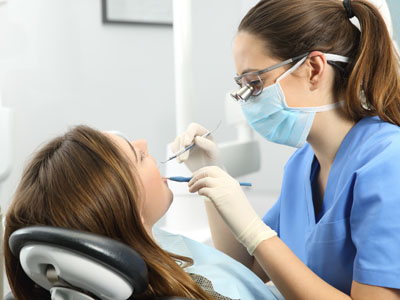
During a typical cleaning, a skilled dental hygienist performs a systematic removal of plaque and tartar using a combination of hand instruments and ultrasonic scalers. Hand instruments provide precise control for delicate areas, while ultrasonic devices use gentle vibrations and a water spray to dislodge deposits quickly and efficiently. Using both methods together allows for thorough cleaning with patient comfort in mind.
After scaling, your hygienist will polish the teeth to smooth the surfaces and remove superficial staining. This step improves the feel of your teeth, helps slow new plaque accumulation, and leaves the mouth feeling clean. A fluoride or remineralizing treatment may be recommended in certain situations to support enamel strength, though not every cleaning requires this additional step.
Throughout the visit, your hygienist and dentist monitor gum health, check for signs of inflammation or pockets that warrant closer attention, and note any changes in your mouth since your last appointment. If there are areas of concern, they’ll explain next steps in plain language so you understand why further evaluation or a modified care plan might be needed.
Most routine cleanings are comfortable and completed quickly, but for patients with sensitivity, dental anxiety, or specific medical considerations, there are options to improve comfort. Topical desensitizing agents or local anesthetics can be used when appropriate, and the team will work with you to ensure a calm, controlled experience.
Gum disease begins when bacterial plaque triggers inflammation in the tissues surrounding the teeth. Early-stage gum disease, or gingivitis, is often reversible with professional cleaning and improved home care. By removing the bacterial film and tartar that provoke inflammation, cleanings help gums return to a healthier state and reduce bleeding, swelling, and tenderness.
If inflammation is left untreated, it can progress to periodontitis, which affects the supporting bone and soft tissues around teeth. Regular professional maintenance interrupts this progression by controlling the bacterial burden and allowing the body to heal. For patients already managing periodontal conditions, more frequent cleanings and targeted care plans can stabilize oral health and protect long-term tooth retention.
Beyond oral tissues, maintaining gum health supports overall well-being. Research has drawn connections between chronic oral inflammation and systemic health concerns, so preventing and managing gum disease is an important part of staying healthy. Cleanings are a straightforward, proactive step toward that goal.
Every mouth is different, so our team tailors preventive advice to your individual needs. After a cleaning you can expect clear, practical recommendations about brushing technique, the most effective flossing or interdental cleaning tools for your anatomy, and dietary tips that help reduce acid and sugar exposure. These strategies are chosen to fit into your daily life and make long-term habits easier to keep.
We also discuss appropriate recall intervals based on your oral health status. While many patients benefit from twice-yearly visits, some people—such as those with active gum disease, a history of rapid decay, or certain medical conditions—may need care on a different schedule. Your plan is always developed with an emphasis on prevention and preserving natural teeth for as long as possible.
Education is a core part of each visit. We take time to demonstrate techniques and answer questions so you leave not only with a cleaner mouth but with specific steps you can use at home to maintain improvements. This combined approach—professional treatment plus informed home care—delivers the most reliable outcomes.
Cleanings are safe and adaptable for patients across the lifespan. For children, early habit-building and gentle cleanings set the stage for a positive relationship with dental care. For adults and older patients, cleanings help manage changes that come with age, such as gum recession or restorations that require special attention. We adjust techniques and tools to suit individual needs and sensitivities.
Patient comfort and infection control are priorities at every appointment. Our team follows established safety protocols, uses modern sterilization processes, and selects instruments that minimize discomfort while maximizing effectiveness. If you experience anxiety around dental visits, tell us—our staff is trained to offer calming strategies and comfortable pacing so the visit is as stress-free as possible.
For patients with medical conditions or complex dental histories, we coordinate care with your broader healthcare needs. Clear communication ensures that cleanings and preventive care are performed safely, with appropriate medical considerations in mind. This collaborative approach keeps your oral health aligned with your overall wellness plan.
Regular dental cleanings are a cornerstone of preventive oral care: they remove hidden threats, clarify the health of your mouth, and deliver practical guidance you can use every day. If you’d like to learn more about how professional cleanings can support your long-term oral health, please contact us for more information. Our team is ready to answer your questions and help you build a care plan that fits your needs.


A professional dental cleaning is a preventive treatment performed by a licensed dental hygienist or dentist. It removes plaque, hardened tartar and surface stains that daily brushing and flossing may miss. The procedure focuses on eliminating bacterial deposits that contribute to decay and gum inflammation.
Cleanings also include an evaluation of your oral tissues so your dental team can spot early signs of problems such as gum disease, enamel wear or areas that trap food. This early detection helps avoid more invasive treatments later. Education and personalized home care tips are usually part of the visit to help you maintain improvements between appointments.
Most patients benefit from a cleaning every six months because this schedule balances routine maintenance with early problem detection. However, ideal timing depends on individual risk factors such as history of gum disease, frequency of decay, systemic health conditions and tobacco use. People with active periodontal disease or certain medical issues may need more frequent visits to stabilize oral health.
Your hygienist and dentist will recommend a recall interval based on your current oral condition and preventive needs. They will explain the reasons for a specific schedule so you understand how it supports long-term tooth preservation. Adjustments to the recall plan are common and made as your oral health changes.
A typical cleaning begins with a thorough exam and charting so the hygienist can identify areas of concern and track changes since your last visit. Scaling follows, using a combination of ultrasonic scalers and hand instruments to remove plaque and tartar from tooth surfaces and under the gumline. Ultrasonic devices use gentle vibrations and water to dislodge deposits while hand tools provide precise control in tight or sensitive areas.
After scaling, teeth are polished to smooth the surfaces and reduce staining, and interdental cleaning removes debris between teeth. The appointment often ends with a recheck of gum health and a discussion about any recommended follow-up or preventive measures. When appropriate, a fluoride or other remineralizing treatment may be applied to help strengthen enamel.
Most routine cleanings are comfortable, but some people experience sensitivity or anxiety during the procedure. Dental teams can minimize discomfort with gentle technique, topical desensitizing agents and careful pacing of the appointment. For patients with heightened sensitivity or special medical considerations, local anesthetic can be administered when necessary to ensure a tolerable experience.
If dental nervousness is a concern, communicate your feelings with the team so they can offer calming strategies such as breaks, clear explanations and a slower approach. In-office options to promote relaxation vary by practice and are selected based on patient needs and safety. These measures help make cleanings accessible and manageable for patients of all comfort levels.
Professional cleanings remove the bacterial film and mineralized deposits that trigger inflammation of the gums, which is the first stage of gum disease known as gingivitis. When plaque and tartar are regularly removed, bleeding and swelling typically improve and tissues can return to a healthier state. Left unchecked, inflammation can progress to periodontitis, which affects the supporting bone and may threaten tooth stability.
For patients with periodontal disease, more frequent cleanings and targeted maintenance reduce bacterial levels and help preserve the tissues that support teeth. Cleanings are one part of a comprehensive periodontal plan that includes home care, possible scaling and root planing and regular reassessment. Controlling oral inflammation also contributes to overall health by reducing chronic bacterial burden and its potential systemic effects.
Children should begin regular dental visits early so professional cleanings can support healthy habit formation and monitor development. Gentle cleanings help remove plaque and surface stains while giving the dental team an opportunity to teach brushing and flossing techniques in age-appropriate ways. Early professional care also allows the dentist to identify development concerns such as eruption problems or bite issues before they progress.
At our McAllen and Pharr offices, staff are experienced in creating a calm, child-friendly environment that eases first visits and encourages positive associations with dental care. Preventive measures commonly discussed during pediatric visits include fluoride use, dietary guidance and the possible application of dental sealants for molars. Regular, gentle cleanings in childhood set the foundation for lifelong oral health and effective home routines.
Hygienists use a range of instruments and techniques to clean teeth thoroughly while prioritizing safety and comfort. Ultrasonic scalers remove heavy deposits quickly with vibrations and water, while hand scalers and curettes provide tactile control for detailed work along the gumline. Polishing tools and pastes smooth tooth surfaces and help remove superficial staining from food and beverages.
Modern practices also emphasize infection control, using sterilization and disposable supplies to protect patients and staff. In some offices, adjunctive tools such as intraoral cameras or specialized diagnostic aids assist in documenting conditions and explaining findings to patients. The combination of professional instruments and evidence-based technique ensures efficient, effective cleanings tailored to each mouth.
Fluoride or other remineralizing treatments may be recommended after a cleaning when a patient has signs of enamel demineralization, a high risk of decay or specific sensitivity concerns. These topical applications help strengthen enamel and can slow or reverse early decay by supporting mineral uptake. Not every cleaning requires fluoride, and your dental team will suggest it only when clinically appropriate.
Fluoride can be applied in different forms such as varnishes, gels or rinses depending on age and clinical need, and the provider will explain any post-application precautions. For patients with special needs or children, the choice of remineralizing therapy is adjusted for safety and effectiveness. When recommended, these treatments are a simple way to enhance protection between routine visits.
After a professional cleaning, maintain improvements with consistent home care that includes brushing twice daily with fluoride toothpaste and cleaning between teeth once a day. Use the interdental tools recommended by your hygienist—such as floss, interdental brushes or water flossers—to reach areas your toothbrush misses. If you experience temporary sensitivity after a cleaning, using a desensitizing toothpaste and avoiding extremely hot or cold foods for a short period can provide relief.
Your hygienist will provide personalized tips on technique and product choices based on your anatomy and oral health needs. Following their guidance and attending scheduled cleanings reduces the likelihood of recurring inflammation or decay. Good communication with your dental team ensures any new issues are caught early and addressed proactively.
A recall interval is determined by evaluating factors such as gum health, history of cavities, systemic health conditions, medications, tobacco use and the presence of restorations or orthodontics. Patients with stable oral health often visit twice a year, while those with higher risk may be scheduled every three to four months for periodontal maintenance. The goal is to create a prevention-focused schedule that minimizes disease progression and preserves natural teeth.
At RGV Smiles by Dr. Rocky L. Salinas, DDS, PA we review your oral status at each visit and adjust the recall frequency as needed to match your changing needs. This personalized approach ensures that maintenance visits provide maximum benefit for your long-term oral health. If you have specific medical conditions or concerns, discuss them with your provider so the recall plan aligns with your overall wellness strategy.

Ready to take the next step toward a healthier, brighter smile?
Contacting RGV Smiles by Dr. Rocky L. Salinas, DDS, PA is the first step! Our supportive team is available to assist with all your needs, from booking routine care to discussing advanced cosmetic services. Simply call or use our online form to connect with us today. We make it easy to prioritize your oral health!

Back to top