New Patients
Existing Patients
New Patients
Existing Patients
New Patients
Existing Patients
New Patients
Existing Patients


When decay or damage compromises a tooth, a filling restores the tooth’s shape, strength, and chewing function so you can use it comfortably and confidently. Fillings stop the spread of decay, rebuild lost structure, and protect the surrounding teeth and gum tissue from further harm.
Tooth decay remains a very common health concern across all ages, which is why fillings are among the most frequently performed restorative procedures in dentistry. With consistent preventive care and timely treatment, patients can often avoid more extensive restorations like crowns or root canal therapy.
At the practice of RGV Smiles by Dr. Rocky L. Salinas, DDS, PA, we focus on conservative, long-lasting repairs that prioritize both function and appearance. Our approach balances modern materials and techniques with careful diagnosis so each patient receives the right restoration for their needs.
We treat patients with clear explanations and personalized plans, helping them understand the choices available and what to expect during and after treatment. Our goal is to return your tooth to health while preserving as much natural structure as possible.
Attempts to repair teeth date back thousands of years, with archaeological evidence showing early restorative efforts in ancient societies. Over time, materials and methods evolved dramatically—from rudimentary pastes to the metal alloys and gold restorations used in past centuries.
The 19th and 20th centuries introduced dental amalgam as a durable, widely used material. While amalgam provided strength and longevity, advances in dental materials science have introduced esthetic, mercury-free alternatives that blend seamlessly with natural teeth.
Today’s restorative options offer a better balance of durability, appearance, and biocompatibility. The choice of material depends on the tooth’s location, the size of the cavity, functional demands, and patient preferences about appearance.
Ongoing research continues to refine restorative techniques and materials, so patients now benefit from stronger, more lifelike restorations than were available even a few decades ago.
When we recommend a filling, the decision is rooted in a comprehensive evaluation of the tooth and the patient’s overall oral health. We look beyond the visible cavity to assess bite, neighboring teeth, and any signs of deeper infection or structural weakness.
Treatment is performed with attention to comfort and accuracy. We use modern diagnostic tools and minimally invasive techniques to remove decay while preserving healthy tooth structure whenever possible.
Communication is an important part of our process—patients are informed about the material options, the expected life of the restoration, and simple steps to protect the new filling. This collaborative approach helps patients feel confident about their care.
RGV Smiles by Dr. Rocky L. Salinas, DDS, PA emphasizes conservative dentistry: the goal is to restore what’s necessary and to support long-term oral health through appropriate follow-up and preventive care.

Modern dentistry offers a range of filling materials, each with advantages and ideal uses. Decisions about material consider strength requirements, visibility in the mouth, and the amount of remaining tooth structure.
For visible front teeth, esthetics is often a priority, while molars require materials that can withstand heavy chewing forces. Some materials bond to the tooth and can reinforce weakened structure, while others are best for larger restorations where durability is paramount.
Below are common restorative materials and a straightforward explanation of when each one is typically used.
Composite resins are made from a blend of durable plastic and glass particles and are available in shades that match natural teeth. They bond directly to the tooth, allowing for conservative preparations that preserve more healthy enamel and dentin.
Because composites are easily shaped and polished, they are often chosen for visible areas and for small to moderate cavities. They are strong for most daily functions, and modern formulas resist wear and discoloration better than earlier generations.
Amalgam has a long track record for durability and is still used in situations where a robust, cost-effective solution is appropriate. These restorations are particularly resilient in areas with heavy biting forces.
While not tooth-colored, amalgam remains a reliable option for some patients and clinical scenarios, especially for large posterior restorations where longevity and strength are priorities.
Glass ionomer materials bond chemically to tooth structure and release fluoride over time, which can help protect the tooth from further decay. Their ease of use and adhesive properties make them useful for small restorations and for pediatric teeth.
They’re typically less wear-resistant than composites or ceramics, so they’re often chosen for low-stress areas or as temporary restorations while a more permanent solution is planned.
Ceramic inlays and onlays are fabricated outside the mouth and then bonded into place. Because they’re made from high-quality dental porcelain, they resist staining and wear and provide an exceptional match to natural tooth color.
These indirect restorations are ideal when a cavity is too large for a direct filling but the tooth does not yet need a full crown. They offer superior longevity when properly cared for.
Gold remains one of the most durable and biocompatible restorative materials. It offers excellent strength and a long service life, though it is less commonly used today due to aesthetic preferences and higher material costs.
When longevity and gentle wear on the opposing teeth are primary concerns, gold can still be an outstanding clinical choice.
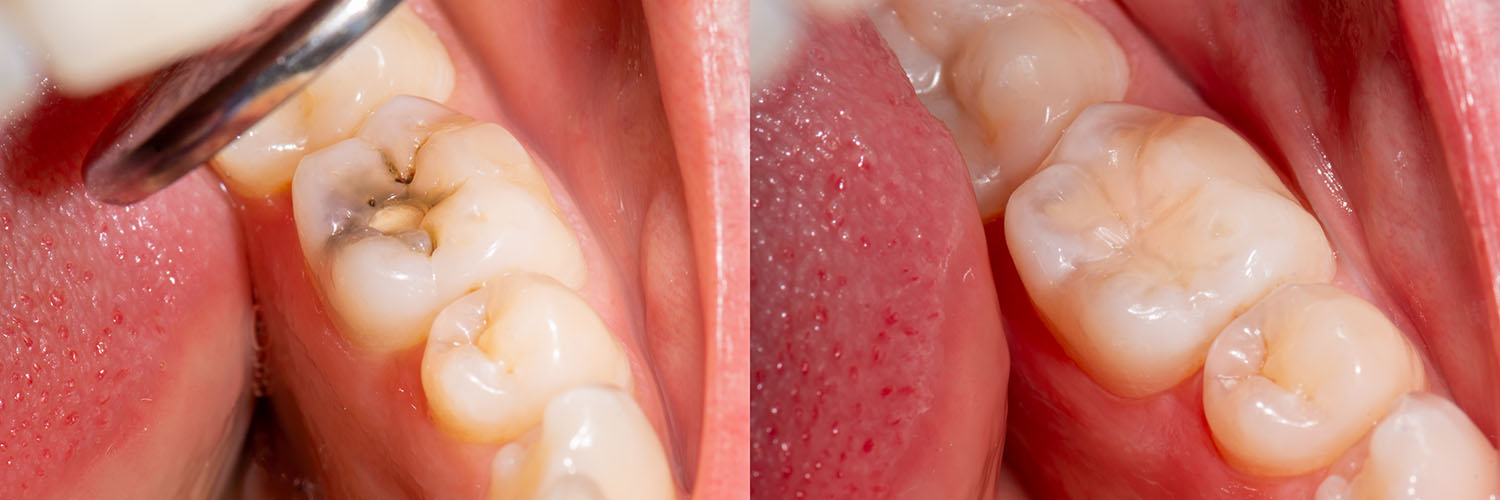
Your appointment begins with a focused exam and discussion of the findings and options. Once a treatment plan is agreed upon, the tooth is prepared by removing decay and shaping the cavity to receive the chosen material.
Local anesthesia is commonly used so the area is numb and the procedure is comfortable. For patients with dental anxiety, we can explain sedation options—such as nitrous oxide or oral sedation—to help make the experience more relaxed.
Depending on the material, the restoration may be placed directly and cured in the mouth (as with composites and glass ionomers) or fabricated in a dental laboratory for later bonding (as with ceramic inlays). We take care to check your bite and make fine adjustments so the new filling feels natural.
Treatment times vary with complexity, but most routine fillings are completed in a single visit. We’ll provide clear post-treatment instructions and schedule any recommended follow-up to monitor the restoration.
After your filling is placed, it’s normal to experience mild sensitivity as the tooth adjusts. This usually resolves within a few days to weeks. If sensitivity persists or if you notice sharp pain when biting, contact our office for a reassessment.
Immediately after treatment, avoid chewing on hard foods with the restored tooth until any temporary numbness has fully worn off. Over time, good oral hygiene, routine dental visits, and mindful chewing habits will help your filling last many years.
Fillings can wear or chip over time. If problems develop—such as rough edges, persistent discomfort, or visible breakdown of the filling—early evaluation helps prevent more extensive treatment later.
We will discuss a maintenance plan tailored to your needs, including how often to schedule checkups and what signs to report between visits.
Protect yourself until numbness returns to normal
Be cautious with hot liquids and avoid biting or chewing on the numb side until sensation returns to reduce the risk of accidental injury.
Expect minor bite adjustments
It can take a short time to adapt to the feel of a new filling. If you sense a high spot when you bite, we can fine-tune the restoration for your comfort.
Sensitivity is typical but should improve
Mild sensitivity to temperature or sweets is common after a filling and usually subsides. Ongoing pain is not typical and should be evaluated.
Long-term care for lasting results
Brushing, flossing, and regular dental exams will extend the life of your restoration. Address any habits that place extra stress on teeth, such as grinding or chewing hard objects.
If you have questions about a recent filling or want guidance on protecting a restored tooth, our team is available to help and advise.
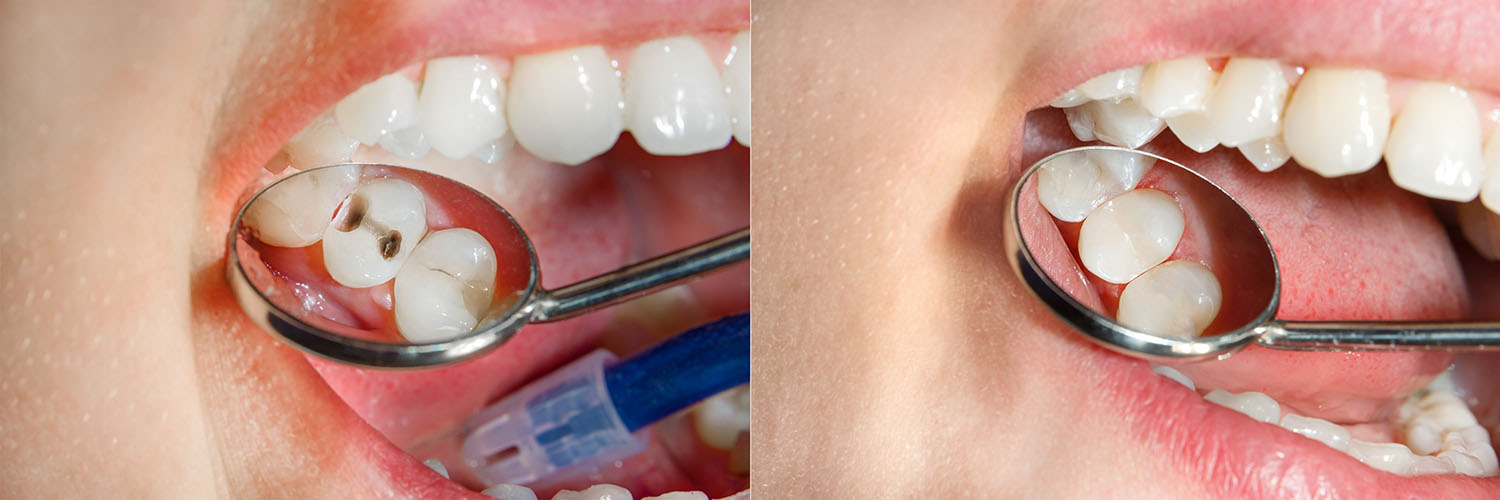
Restoring teeth with high-quality fillings preserves oral health, restores function, and helps maintain a natural-looking smile. If you’d like to learn more about which filling option is right for you or have questions about recent dental work, please contact us for more information.


A dental filling is a restoration used to repair a tooth damaged by decay or a minor fracture. It replaces lost tooth structure, seals the area to stop further decay and restores normal chewing function. Fillings are designed to preserve as much healthy tooth as possible while returning comfort and function.
Beyond stopping decay, fillings help protect neighboring teeth and gum tissue by removing infected material and restoring proper contours. The right restoration supports chewing efficiency and helps maintain the tooth's long-term health. Your dentist will recommend the option that best meets functional and esthetic needs.
A need for a filling is determined through a clinical exam, dental X-rays and a discussion of any symptoms such as sensitivity or pain. Small cavities may be visible on examination, while deeper decay is often detected on radiographs before symptoms appear. The dentist also evaluates bite and adjacent restorations to identify areas at risk.
Early detection allows for more conservative treatment and helps avoid larger restorations later. The clinician will explain the findings, treatment options and expected outcomes so you can make an informed decision. Routine checkups are key because decay can advance without obvious signs.
Common contemporary filling materials include composite resin, dental amalgam, glass ionomer, ceramic inlays/onlays and gold restorations. Composite resin is tooth-colored and bonds to enamel and dentin, making it ideal for visible areas and conservative repairs. Amalgam is noted for its durability in high-load posterior teeth, while glass ionomer releases fluoride and is useful for small or pediatric restorations.
Ceramic inlays and onlays are fabricated outside the mouth and bonded into place when a cavity is too large for a direct filling but the tooth does not yet need a crown. Gold remains a long-lasting option when strength and wear compatibility are priorities. Your dentist will discuss which material best matches the tooth's function, appearance goals and remaining structure.
Most filling appointments begin with a targeted exam and the application of local anesthesia to numb the area and ensure comfort. The dentist removes decay, shapes the cavity and places the selected material, curing or bonding it as required by that material. Direct restorations such as composites are placed and hardened in the mouth, while indirect options may require impressions and a second visit.
After placement the dentist checks your bite and makes fine adjustments so the restoration feels natural and does not interfere with chewing. Treatment time varies with complexity, but many routine fillings are completed in a single visit. The team will review aftercare instructions and any recommended follow-up to monitor the restoration.
The lifespan of a filling depends on the material, size and location of the restoration, and individual oral habits. Composite fillings can last many years with proper care, and amalgam or ceramic restorations may offer even greater longevity in specific clinical situations. Factors such as grinding, poor oral hygiene and frequent chewing on hard objects can shorten a filling's service life.
Regular dental exams allow early detection of wear, marginal breakdown or recurrent decay so repairs can be made before more extensive treatment is needed. Maintaining excellent home care and addressing habits that stress teeth will help preserve restorations. Your dentist can recommend a personalized maintenance schedule based on your restorations and risk level.
Immediately after a filling avoid chewing on the numb side until sensation returns and follow any specific instructions given at the appointment. Good daily brushing and flossing, along with fluoride exposure, protect the margins of the restoration from recurrent decay. Be mindful of chewing very hard foods or nonfood objects that can chip or dislodge a restoration.
If you experience prolonged sensitivity, sharp pain with biting or a rough edge, contact the office for reassessment so the restoration can be adjusted if necessary. Routine professional cleanings and checkups are essential for long-term success and to identify early problems. A tailored preventive plan can address risk factors and extend the life of your filling.
Mild sensitivity to temperature or pressure is common for a few days to weeks after a filling as the tooth adjusts to the restoration. This typically improves on its own, but persistent or worsening pain should be evaluated because it can signal deeper issues. Occasionally patients notice a high spot when biting, which can usually be corrected quickly.
In rare cases a filling may fail due to recurrent decay, fracture or wear and require repair or replacement to prevent further damage. Allergic reactions to restorative materials are uncommon, but patients with known sensitivities should discuss alternatives with their dentist. Prompt communication about post-treatment symptoms helps ensure timely care and the best outcome.
An inlay, onlay or crown is considered when a cavity is large or a significant portion of the tooth structure is missing and a direct filling would not provide adequate strength or longevity. Inlays and onlays are indirect restorations that preserve healthy tooth structure while offering enhanced strength compared with large direct fillings. A crown covers the entire visible portion of the tooth and is recommended when structural integrity is compromised or after root canal therapy.
Choosing between these options depends on the tooth's condition, functional demands and esthetic considerations. Your dentist will explain the benefits and expected outcomes of each restoration so you can choose the most appropriate treatment. Early intervention when decay is detected helps preserve more natural tooth and may allow simpler, less invasive restorations.
Advances in composite materials have significantly improved wear resistance and color stability, making tooth-colored restorations a dependable choice for many situations. Composites bond to the tooth and allow more conservative preparations, while amalgam has a long track record of durability in very high-load posterior areas. The optimal choice depends on cavity size, tooth location and the patient's priorities for esthetics and preservation of natural tooth.
For very large restorations subjected to heavy chewing forces, indirect options such as ceramic onlays or crowns may outperform direct composites in longevity. Your dentist will weigh clinical factors and recommend the material that best balances strength, appearance and conservation of tooth structure. Thoughtful material selection and good oral hygiene are key to any restoration's success.
Many patients feel nervous about dental care, and the practice offers several strategies to improve comfort and reduce anxiety during fillings. Common measures include clear explanations of each step, effective local anesthesia and the option of nitrous oxide or oral sedation when appropriate. The team monitors comfort throughout the appointment and adjusts the approach to meet individual needs.
At RGV Smiles by Dr. Rocky L. Salinas, DDS, PA we prioritize a calm, respectful environment and will review sedation choices and procedural details during your consultation. If you have a history of dental anxiety, sharing that information in advance allows the team to plan personalized measures that keep you comfortable. Open communication before and during treatment helps ensure a positive experience and better outcomes.

Ready to take the next step toward a healthier, brighter smile?
Contacting RGV Smiles by Dr. Rocky L. Salinas, DDS, PA is the first step! Our supportive team is available to assist with all your needs, from booking routine care to discussing advanced cosmetic services. Simply call or use our online form to connect with us today. We make it easy to prioritize your oral health!

Back to top