New Patients
Existing Patients
New Patients
Existing Patients
New Patients
Existing Patients
New Patients
Existing Patients


Deciding to remove a tooth can feel daunting, but in many cases extraction is the most responsible way to protect long‑term oral health. Our team approaches every extraction with the goal of preserving function and comfort: we evaluate dental health, consider future risks, and design a plan that minimizes disruption to your bite and smile. We explain every step so you can make an informed choice with confidence.
Preserving a natural tooth is always the first priority, yet there are situations where removal prevents more serious problems. Extracting a damaged or obstructive tooth can stop an infection from spreading, allow adjacent teeth to remain healthy, and clear the path for orthodontic or restorative work. We balance conservative treatment with decisive action when it’s in the patient’s best interest.
When you meet with us, we’ll review your medical and dental history, current symptoms, and imaging to determine whether extraction is necessary. If removal is recommended, we’ll walk you through alternatives, the procedure itself, and the expected recovery so there are no surprises. Our aim is to deliver clear information and gentle care every step of the way.
Primary (baby) teeth that won’t fall out on their own
Sometimes a deciduous tooth remains anchored long after the permanent tooth is ready to erupt. This can interfere with proper alignment and jaw development. If a primary tooth is obstructing the eruption of a permanent tooth or is damaged beyond simple treatment, timely removal helps guide the mouth toward healthier growth.
Permanent teeth with extensive, nonrestorable decay
When decay progresses beyond repair, there may not be enough healthy structure left to support a filling or crown. Leaving a compromised tooth in place can allow infection to spread to surrounding tissues or neighboring teeth. In those cases, extraction can stop the problem and prepare the area for eventual replacement if appropriate.
Teeth fractured below the gumline or broken beyond repair
Severe fractures can leave insufficient tooth structure for reliable restoration. If the break extends into the root or the remaining fragments cannot be reconstructed predictably, removal may be the safest route to prevent ongoing pain or infection.
Advanced periodontal disease undermining tooth support
Periodontal disease gradually destroys the soft tissues and bone that hold teeth in place. When support is significantly reduced, loose teeth can be a source of pain, recurring infections, and further bone loss. Extracting teeth that have a poor prognosis can improve comfort and make periodontal treatment more effective.
Wisdom teeth that are impacted, decayed, or misaligned
Third molars frequently lack the space needed to erupt properly. When wisdom teeth impinge on adjacent teeth, cause partial eruptions that trap bacteria, or develop decay that threatens neighboring teeth, removal is often recommended to prevent future complications.
Extractions as part of orthodontic treatment
A jaw-tooth size mismatch may require removing select teeth to create room for proper alignment. When orthodontic goals demand it, carefully planned extractions can simplify tooth movement, improve bite relationships, and support a more stable final result.

Before any extraction, we perform a focused exam and appropriate imaging to map the tooth’s position and its relationship to nerves and sinuses. Medical history and current medications are reviewed so we can tailor anesthetic choices and safety precautions. Our goal is to make the procedure predictable and as comfortable as possible.
We provide local anesthesia for most extractions so the area is completely numb. For patients who experience anxiety or require more complex treatment, options such as nitrous oxide or other sedation methods can be discussed to enhance comfort. Clear pre‑ and post‑operative instructions are provided to help patients prepare and recover smoothly.
We categorize extractions broadly as simple or surgical based on how the tooth sits in the mouth and the condition of surrounding tissues. Whether the approach is straightforward or requires minor surgical access, the techniques used are designed to preserve bone and soft tissue for faster healing and easier restoration if replacement becomes necessary.
A simple extraction is performed when a tooth is visible above the gumline and the roots are not unusually shaped. After ensuring adequate numbness, the dentist gently loosens the tooth and removes it with specialized instruments. Most patients tolerate this treatment well and experience only brief discomfort afterward.
Simple extractions are common for primary teeth, some permanent teeth with intact crowns, and teeth that are accessible without removing bone or making extensive incisions. We take time to answer questions and accommodate comfort needs throughout the appointment.
Surgical or complex extractions are necessary when a tooth is impacted, fractured at the gumline, ankylosed, or surrounded by dense bone. The procedure may involve a small incision, minimal bone removal, and sectioning the tooth to extract it in pieces. These steps help avoid unnecessary trauma and support a predictable healing course.
For surgical cases that fall outside our in‑office scope, we coordinate referrals to oral and maxillofacial specialists. When referral is recommended, we ensure a smooth transition of care and remain involved in your follow‑up and long‑term treatment planning.
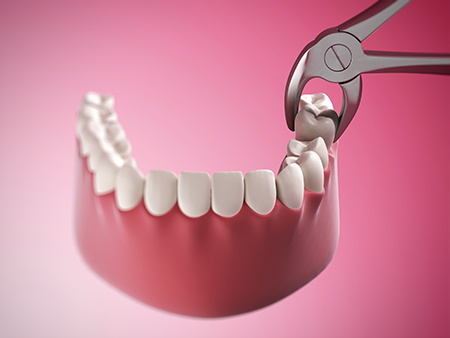
Recovery after extraction is usually straightforward when patients follow post‑operative guidelines. Expect some localized discomfort and swelling for a few days; these are normal parts of healing. We provide instructions tailored to the type of extraction, your medical history, and any additional treatments performed during the appointment.
Keeping the extraction site undisturbed during the first 24 to 48 hours is key to forming a stable blood clot, which supports healing and reduces complications. Adequate rest, gentle care with oral hygiene, and following medication directions all contribute to a smooth recovery. If sutures are placed, they may be dissolvable or require removal at a follow‑up visit.
We encourage prompt communication if you experience unexpected symptoms—such as prolonged heavy bleeding, escalating pain, or signs of infection—so we can intervene quickly. Most concerns are manageable when addressed early, and our team will guide you through any necessary steps.
Controlling bleeding
Bite gently on the provided gauze for the recommended time to allow a clot to form. If slight oozing continues, replace the gauze as instructed. Persistent heavy bleeding should prompt a call to the office so we can advise next steps.
Protect numb tissues
Avoid chewing or touching the numb area until sensation returns to prevent accidental biting of the lip, cheek, or tongue while anesthesia is active.
Follow medication guidance
Take prescribed antibiotics or pain medication exactly as directed. Over‑the‑counter pain relievers may be recommended unless contraindicated; use them as advised to keep discomfort manageable.
Protect the clot
Avoid rinsing vigorously, using straws, or smoking during the early healing phase so the clot remains undisturbed. These actions can delay healing or lead to painful complications.
Manage swelling
Apply an ice pack intermittently on the face near the extraction site during the first 24 hours to reduce swelling. Warm compresses can be helpful after the initial 48 hours if stiffness persists.
Choose easy-to-chew foods
Soft, cool items are easiest in the first days after extraction. Gradually reintroduce firmer foods as comfort and healing progress.
Maintain gentle oral hygiene
Brush lightly and avoid disturbing the site. After 24 hours, gentle rinses with warm salt water can help keep the area clean—always follow the timing and technique we recommend.
Attend follow-up appointments
Return visits let us confirm that healing is progressing, remove sutures if needed, and plan any further care such as restoration or replacement of the missing tooth.
If you notice anything unusual—worsening pain, increased swelling, a persistent bad taste, or other concerning signs—reach out so we can assess and advise appropriate care.
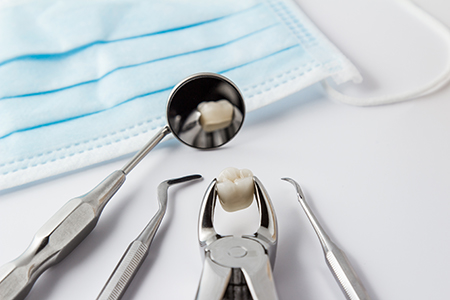
After healing, many patients consider options to replace an extracted tooth when appropriate. Restorative choices such as dentures, fixed bridges, and dental implants each have distinct benefits depending on the location of the tooth, bone health, and long‑term goals. We discuss these options in context and help plan the most predictable route for restoring chewing function and aesthetics.
Replacing a missing tooth can prevent neighboring teeth from shifting and maintain a balanced bite. When implants are a suitable option, they can provide a durable, natural‑feeling solution that supports bone preservation. For patients who prefer non‑surgical alternatives, bridges or removable prosthetics remain viable choices and are selected to match the individual’s needs.
Beyond replacement, prevention is the best strategy. Regular checkups, early treatment of cavities, and effective periodontal care reduce the likelihood of future extractions. We partner with patients to create a preventive plan that supports long‑term oral health and avoids avoidable tooth loss.
At RGV Smiles by Dr. Rocky L. Salinas, DDS, PA, we combine clinical experience with patient‑centered communication to navigate extraction decisions thoughtfully. We prioritize conservative care when possible, and when removal is necessary, we focus on safety, comfort, and predictable recovery. Our team guides patients from diagnosis through healing and any subsequent restorative steps.
We coordinate with specialists when cases warrant advanced surgical techniques or when medical considerations require a collaborative approach. Our attention to planning, individualized care, and follow‑up helps patients move through the process with confidence and minimal disruption to daily life.
Whether you’re facing a painful tooth, a problematic wisdom tooth, or an extraction recommended as part of a larger treatment plan, our clinicians provide clear explanations, compassionate care, and practical recovery instructions to support the best possible outcome.
In summary, tooth extraction is sometimes the most responsible choice to protect overall oral health, relieve pain, and enable appropriate restorative or orthodontic treatment. If you have questions about extractions, recovery, or replacement options, please contact us for more information.


Tooth extraction becomes necessary when a tooth cannot be reliably restored or threatens surrounding structures. Common reasons include severe decay that destroys most of the crown, a tooth fractured below the gumline, advanced periodontal disease with significant bone loss, or an acute infection that does not respond to conservative therapy. Impacted wisdom teeth that are causing pain, repeated infections, or damage to adjacent teeth are also frequent candidates for removal.
Before recommending extraction, the dentist performs a focused exam and appropriate imaging to assess the tooth and its relationship to nerves and sinuses. We always consider conservative alternatives such as root canal therapy, crowns, or periodontal treatment when those options are predictable and in the patient’s best interest. When removal is advised, the goal is to protect overall oral health and to plan for restorative steps as needed.
A simple extraction is done on a tooth that is fully visible above the gumline and can be removed with standard dental instruments after adequate local anesthesia. These procedures are typically quick and cause only limited trauma to surrounding tissues when teeth have straightforward root anatomy. Patients often experience brief soreness and return to normal activity within a few days.
Surgical or complex extractions are required when a tooth is impacted, fractured at the gumline, ankylosed, or surrounded by dense bone and may involve a small incision, minimal bone removal, or sectioning the tooth for safer removal. Surgical cases call for more detailed planning and sometimes sutures, and they may require additional post-operative instructions to support healing. For cases that exceed our in-office scope, we coordinate referrals to oral and maxillofacial specialists to ensure safe, advanced care.
Preparation begins with a thorough review of your medical and dental history, current medications, and any conditions that could affect healing or anesthesia choices. Follow pre-operative instructions provided by the office, which may include fasting requirements for certain sedation options and guidance on routine medications to take or temporarily pause. Arranging transportation is advisable if you plan to use sedation beyond local anesthesia.
On the day of the appointment, arrive with a clear understanding of the proposed treatment, alternatives, and post-operative expectations so you can give informed consent. Wear comfortable clothing and plan for rest afterward, especially if sedation is used. If you have questions about anxiety or specific medical concerns, discuss them with the team in advance so appropriate accommodations can be made.
Most extractions are performed using local anesthesia to numb the treatment area so the procedure is comfortable and pain free. For patients with dental anxiety or for more complex surgical cases, additional options such as nitrous oxide (laughing gas) or moderate oral/intravenous sedation can be discussed to enhance relaxation and reduce awareness during treatment. The choice of sedation depends on the patient’s health history, the complexity of the extraction, and the practice’s available services.
We review medical history and current medications to tailor anesthetic and sedation plans and to ensure safety throughout the appointment. Monitoring and recovery protocols are followed when sedation is used so patients can return home safely with a companion if required. If advanced anesthesia is needed that falls outside our scope, we will refer to an appropriate specialist and coordinate care for a seamless experience.
Initial recovery typically involves localized discomfort, mild swelling, and low-grade soreness for a few days as tissues begin to heal. A stable blood clot forms in the socket during the first 24 to 48 hours and is essential for proper healing, so following post-operative directions—such as avoiding vigorous rinsing, smoking, and the use of straws—is important to protect that clot. Most patients can manage discomfort with prescribed or over-the-counter analgesics and return to normal light activities within a short period.
Follow-up instructions will include guidance on oral hygiene, diet recommendations, and signs to watch for that might indicate complications. If sutures were placed, they may be dissolvable or require removal at a follow-up visit; attending scheduled appointments helps ensure the site is healing as expected. Contact the office promptly if you experience heavy bleeding, uncontrolled pain, fever, or other concerning symptoms so the team can evaluate and intervene if necessary.
Effective pain and swelling control combines medication, local measures, and rest. Apply an ice pack intermittently to the outside of the face during the first 24 hours to limit swelling, follow the prescribed medication schedule, and take any antibiotics exactly as directed to reduce the risk of infection. Avoid physical exertion and keep your head elevated for the first day or two to help minimize swelling and bleeding.
After the first 48 hours, warm compresses may improve comfort if stiffness persists, and gentle oral rinses with warm salt water can support cleanliness once advised by the dentist. Do not disturb the socket with fingers or tongue, and choose soft, cool foods initially, advancing to firmer items as comfort allows. If pain worsens or swelling increases unexpectedly, contact the office so we can assess for complications such as dry socket or infection.
Contact the office if you experience persistent heavy bleeding that does not respond to gentle pressure, a sudden increase in pain, fever, or swelling that worsens after the initial postoperative period. Other reasons to call include a persistent bad taste or odor, numbness that does not resolve, or any signs of allergic reaction to medications. Early communication allows the team to evaluate symptoms and provide timely interventions when needed.
Routine follow-up questions about diet, activity, or medication use are also appropriate and help support uncomplicated healing. If you were referred to a specialist for a surgical case, keep both offices informed about your recovery so care is coordinated effectively. Our goal is to make sure concerns are addressed quickly to prevent progression of complications.
Sutures may be placed after surgical extractions to approximate soft tissues and support healing, and they can be dissolvable or require removal at a follow-up appointment depending on the material used. Follow-up visits allow the dentist to confirm that the extraction site is healing properly, remove any nonresorbable sutures, and discuss next steps for restorative care if appropriate. Routine checks also help identify early signs of delayed healing or infection so corrective measures can be taken promptly.
If no sutures are used, the office may still schedule a brief follow-up to monitor healing and plan for replacement options when indicated. Attending recommended appointments supports predictable outcomes and helps the team coordinate any required restorative or orthodontic treatment linked to the extraction. Communication about healing progress allows for timely planning of prosthetic, implant, or bridge work when that is the chosen path.
Several restorative options exist to replace a missing tooth, including removable partial dentures, fixed dental bridges, and dental implants, each with advantages tied to the patient’s oral health, bone volume, and long-term goals. Implants are often preferred for their stability and ability to preserve bone, while bridges and removable prosthetics can provide reliable function when implants are not appropriate. The dentist evaluates the extraction site, adjacent teeth, and overall bite to recommend the most predictable solution.
At the office of RGV Smiles by Dr. Rocky L. Salinas, DDS, PA we discuss timing for replacement—immediate, early, or delayed—based on healing and restorative planning. Bone preservation strategies and grafting may be considered when planning implants to ensure a durable foundation. A personalized plan is developed to restore chewing function and aesthetics while protecting long-term oral health.
Yes, extractions are sometimes a planned part of orthodontic treatment when jaw-tooth size discrepancies or severe crowding make space creation necessary for predictable alignment and a stable bite. Strategic removal of certain teeth can simplify tooth movement, improve facial balance, and facilitate more efficient orthodontic mechanics. The decision to extract for orthodontic purposes is made collaboratively with the patient and based on diagnostic records, treatment goals, and long-term stability considerations.
Extractions may also play a role in comprehensive restorative or surgical plans where removing a compromised tooth enables better prosthetic outcomes or prepares the mouth for implant placement. When extractions intersect with other specialties, the practice coordinates care to align timing, healing, and subsequent treatment phases. Clear communication and a defined treatment sequence help patients understand how removal supports the overall plan and expected results.

Ready to take the next step toward a healthier, brighter smile?
Contacting RGV Smiles by Dr. Rocky L. Salinas, DDS, PA is the first step! Our supportive team is available to assist with all your needs, from booking routine care to discussing advanced cosmetic services. Simply call or use our online form to connect with us today. We make it easy to prioritize your oral health!

Back to top