New Patients
Existing Patients
New Patients
Existing Patients
New Patients
Existing Patients
New Patients
Existing Patients


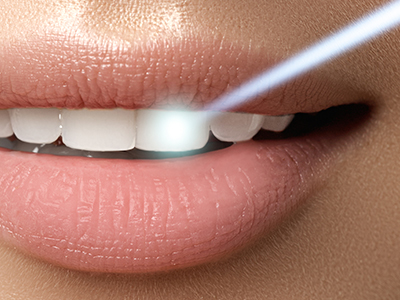
Laser dentistry uses concentrated beams of light to perform a range of dental procedures. Unlike mechanical instruments such as drills and scalpels, lasers remove or reshape tissue by delivering energy at specific wavelengths that target water, pigment, or both. Different types of dental lasers (for example, diode, erbium, and CO2 variants) are selected for particular tasks depending on whether the goal is to work on soft tissue, hard tissue, or both. This precision makes lasers a versatile addition to modern dental care.
Because lasers act on a microscopic level, they can vaporize or ablate tissue with fine control, often without the vibration or pressure associated with traditional rotary instruments. That focused action allows clinicians to limit impact to the area being treated, which helps preserve surrounding healthy tissue. For many procedures, the result is a cleaner margin and less collateral damage compared with broader mechanical approaches.
It’s important to recognize that laser dentistry is a technology, not a single treatment. Dentists choose the right laser and settings based on the clinical objective and the patient’s oral health. When deployed thoughtfully, lasers complement conventional techniques and expand the therapeutic options available during diagnosis and treatment.
Lasers are used across a broad spectrum of dental treatments. In restorative dentistry, certain lasers can selectively remove decay and prepare tooth surfaces for fillings while conserving more natural tooth structure. Periodontal applications include precise removal of diseased soft tissue and targeted decontamination of periodontal pockets to support gum healing. For oral surgery, lasers may assist with biopsies, excision of soft-tissue lesions, and frenectomies by providing a controlled cutting modality that reduces bleeding.
In cosmetic and restorative workflows, lasers also play a role in tooth-whitening activation and the curing of some restorative materials, improving workflow efficiency and material performance in the operatory. Endodontic and implant practices sometimes use lasers as adjuncts to disinfect root canals or treat peri‑implant tissues, although these uses depend on the laser type and clinical judgment.
While lasers expand what is possible in the operatory, each clinical case is unique. A dentist will evaluate the condition, anatomy, and desired outcome before recommending a laser-based procedure, ensuring the chosen treatment aligns with best practices and predictable results.
Many patients notice practical comforts associated with laser dentistry. Because lasers can cut and cauterize simultaneously, there is often less bleeding during and after soft-tissue procedures. The absence of heavy vibration and the possibility of reduced pressure during certain hard-tissue procedures can lower procedural discomfort for some individuals, which may reduce or limit the need for local anesthesia in select cases.
Lasers can also speed recovery by minimizing trauma to surrounding tissues; the precise nature of the beam means less swelling and a lower risk of postoperative irritation. For patients who feel anxious about dental treatments, the quieter, less invasive feel of some laser procedures can make visits more tolerable, helping them maintain continuity of care rather than avoiding necessary treatment.
From a clinical standpoint, preserving healthy tooth structure and targeting only diseased tissue supports longer-lasting restorations and better periodontal outcomes. These patient-centered advantages are why many clinicians integrate laser options into their treatment planning when appropriate.
Laser dentistry is safe when provided by a trained dental professional who understands the specific laser’s characteristics, appropriate power settings, and safety protocols. Proper protective eyewear for both staff and patients is mandatory because laser beams can damage eyesight. Additionally, clinicians follow established infection control and sterilization procedures to maintain a safe operatory environment.
Not every laser is suited for every task. Some wavelengths are optimized for soft tissue, while others are required to interact effectively with enamel or dentin. This means lasers are tools within a broader treatment toolkit rather than universal replacements for traditional instruments. Effective use depends on clinician experience, indication-specific training, and adherence to evidence-based protocols.
Patients should expect a frank conversation about benefits and limits during an examination. The dentist will explain why a laser is—or is not—recommended for a particular procedure, and what alternative approaches are available. That consultation helps ensure the chosen method aligns with the patient’s clinical needs and comfort level.
During a consultation, the clinician examines the mouth, reviews medical and dental history, and discusses treatment goals. If a laser procedure is appropriate, the appointment typically begins with local preparatory steps—cleaning the area, isolating the field, and fitting protective eyewear. The laser’s power and mode are set to match the intended treatment, and the clinician describes the sensations to expect so patients feel informed and calm.
Most laser procedures are brisk and focused. Patients may feel a warm or tingling sensation but often report minimal discomfort compared with more invasive alternatives. Aftercare depends on the procedure: soft-tissue work may call for brief limitations on eating or oral hygiene in the treated area, while hard-tissue treatments follow standard restorative recovery guidelines. Recovery is usually straightforward, and any follow-up is scheduled to confirm healing and treatment success.
At RGV Smiles by Dr. Rocky L. Salinas, DDS, PA, we evaluate each patient’s situation to determine whether laser therapy best supports predictable outcomes and comfort. When lasers are not the ideal choice, we’ll recommend other medically appropriate, evidence-based options to achieve the same treatment goals.
Wrap-up: Laser dentistry offers precise, minimally invasive alternatives for many common dental needs, from soft-tissue procedures to selective hard-tissue applications. By combining modern technology with clinical judgment and proper training, dental teams can expand treatment options while prioritizing patient comfort and tissue preservation. Contact us for more information about whether laser treatment is a good fit for your dental care plan.


Laser dentistry uses concentrated beams of light to remove, reshape, or disinfect oral tissues with high precision. Unlike mechanical instruments such as drills and scalpels, lasers interact with tissue by delivering energy at specific wavelengths that target water, pigment, or both. Different wavelengths and delivery systems are chosen for soft tissue versus hard tissue applications, so lasers are selected based on the clinical objective. This makes laser technology a versatile complement to traditional tools rather than a universal replacement.
At a microscopic level, laser energy can vaporize or ablate tissue with focused control, reducing the need for forceful contact and vibration. Because lasers can restrict their effect to the treatment zone, clinicians often preserve more healthy tooth or gum tissue compared with broader mechanical approaches. Many procedures therefore yield cleaner margins and less collateral trauma when lasers are used appropriately. Clinical judgment determines when laser use is advantageous and when conventional instruments remain preferable.
Dental practices use several common laser types, each suited to particular tissues and tasks. Examples include diode lasers, which are effective for many soft-tissue procedures and for hemostasis. Erbium family lasers can interact with enamel and dentin and are useful when conservative removal of hard tissue is indicated. CO2 and other specialized systems provide precise soft-tissue cutting with controlled thermal effects.
Clinicians select a laser based on wavelength, pulse characteristics, and the specific clinical goal. Power settings and delivery technique are adjusted to balance efficacy with tissue preservation. Some lasers are intended only as adjunctive tools rather than standalone treatments, depending on the indication. A dentist's training and experience guide safe and effective device selection.
Lasers have applications across restorative, periodontal, surgical, cosmetic, and endodontic workflows. In restorative care they can selectively remove decay and prepare tooth surfaces while conserving healthy structure. Periodontal uses include removal of diseased soft tissue, pocket decontamination, and promoting gingival recontouring. In oral surgery lasers assist with biopsies, frenectomies, removal of lesions, and contribute to improved hemostasis during soft-tissue work.
Cosmetically, lasers may be used to activate whitening agents and to refine gum contours for smile esthetics. Endodontic and implant practices sometimes employ lasers as adjuncts to disinfect canals or treat peri-implant tissues, though these uses depend on appropriate laser type. The dentist evaluates each case to determine whether a laser is indicated alone or as part of a combined treatment approach.
Patients commonly experience less bleeding and a reduced need for sutures during soft-tissue procedures because many lasers cut and cauterize simultaneously. The absence of strong vibration and the potential to limit local anesthesia in select situations can make certain treatments more comfortable for patients. Because lasers minimize trauma to surrounding tissues, many patients have reduced postoperative swelling and faster initial healing. These clinical advantages can help patients maintain continuity of care and reduce anxiety about specific treatments.
From a restorative standpoint, the ability to preserve healthy tooth structure supports longer-lasting restorations and better periodontal outcomes. Additionally, the focused action of lasers can create cleaner treatment margins that facilitate effective bonding and tissue healing. Dentists weigh these benefits against clinical limitations to determine whether laser use will improve predictability for a given procedure.
Laser dentistry is safe when performed by clinicians who have received orientation to the specific device, wavelength, and clinical protocols. Proper training includes understanding tissue interactions, appropriate power and pulse settings, and safe delivery techniques to avoid unintended thermal damage. Operatory safety protocols require protective eyewear for staff and patients and adherence to infection control and equipment maintenance standards. Regulatory guidelines and manufacturer instructions further inform safe clinical use.
Not every indication is suitable for laser therapy, and some wavelengths are optimized only for soft tissue while others are required for hard-tissue work. A thorough consultation should include a discussion of benefits, limits, and alternatives so patients can make informed decisions. Clinical judgment and evidence-based protocols guide when lasers are used alone or in combination with conventional treatments.
Preparing for a laser dentistry appointment typically begins with a clinical evaluation that includes a review of medical history, oral examination, and discussion of treatment goals. If laser therapy is appropriate, the clinician explains the planned procedure, expected sensations, and any preoperative instructions. Patients should inform the dental team of medications, medical conditions, or recent procedures that could affect treatment planning. On the day of treatment, protective eyewear is provided and the area is isolated and cleaned before the laser is used.
Most laser procedures are brief and patients may feel warmth or a mild tingling but typically report less discomfort than with some conventional approaches. Local anesthesia is used when indicated, and the team confirms patient comfort throughout the appointment. Aftercare instructions vary by procedure and the dentist arranges follow-up to confirm healing.
Recovery after a laser procedure depends on whether the treatment involved soft tissue, hard tissue, or both. Soft-tissue healing is often rapid with minimal bleeding, and patients may experience limited swelling and short-lived discomfort. When lasers are used for selective hard-tissue removal, standard restorative recovery guidelines apply, including attention to oral hygiene and monitoring for sensitivity. Any prescribed postprocedural instructions should be followed to support optimal healing.
If sutures are not required, patients may resume normal activities sooner but should avoid trauma to the treated site until it stabilizes. The dental team provides specific guidance on eating, oral hygiene, and symptom monitoring after the procedure. A follow-up visit is often scheduled to assess tissue response and confirm treatment success.
Lasers can play a useful role in periodontal therapy by targeting bacteria within periodontal pockets and assisting with removal of diseased soft tissue. Certain wavelengths allow clinicians to decontaminate root surfaces and reduce pocket depths as an adjunct to scaling and root planing. Laser treatment may also support the removal of inflamed tissue while minimizing bleeding and promoting a cleaner surgical field. However, lasers are not a universal cure for gum disease and are most effective when part of a comprehensive periodontal treatment plan.
Success depends on accurate diagnosis, appropriate laser selection, and ongoing maintenance including professional cleanings and home care. The dentist will explain whether laser therapy is indicated based on pocket depth, tissue anatomy, and overall periodontal health. Long-term periodontal stability requires patient engagement with hygiene and regular periodontal monitoring.
Some lasers are capable of selectively removing decayed tooth structure while preserving more healthy enamel and dentin compared with broader mechanical approaches. When lasers are used for cavity preparation, clinicians carefully control settings to avoid thermal damage and to create optimal surfaces for restoration. Not all restorative materials or clinical situations are compatible with laser preparation, so traditional rotary instruments remain essential in many cases. The decision to use a laser for restorative work depends on lesion size, location, and restorative plan.
Laser-treated surfaces can offer clean margins that facilitate adhesive bonding when indicated, but material-specific protocols must be followed. When lasers are not appropriate, they may still serve as adjuncts for disinfection or soft-tissue management during restorative procedures. Your dentist will outline the recommended approach based on the clinical findings and evidence-based practice.
Deciding whether laser treatment is right for a given patient begins with a thorough clinical assessment of anatomy, oral health, and treatment goals. The dentist evaluates indications and contraindications, considers alternative approaches, and reviews the evidence supporting laser use for the specific procedure. Patient factors such as medical history, medication use, and comfort preferences also inform the recommendation process. At RGV Smiles by Dr. Rocky L. Salinas, DDS, PA the team integrates laser technology into care plans only when it improves predictability and patient comfort.
This shared decision-making approach includes explaining what to expect, potential benefits, and any limitations or follow-up needs. If laser therapy is not the optimal option, the dentist will recommend other evidence-based treatments to achieve the same goals. Patients are encouraged to ask questions so they understand the rationale and feel confident in the chosen treatment path.
Ready to take the next step toward a healthier, brighter smile?
Contacting RGV Smiles by Dr. Rocky L. Salinas, DDS, PA is the first step! Our supportive team is available to assist with all your needs, from booking routine care to discussing advanced cosmetic services. Simply call or use our online form to connect with us today. We make it easy to prioritize your oral health!

Back to top