New Patients
Existing Patients
New Patients
Existing Patients
New Patients
Existing Patients
New Patients
Existing Patients


At the office of RGV Smiles by Dr. Rocky L. Salinas, DDS, PA, we take a preventative mindset toward oral health: regular evaluation and timely care are the best ways to keep your smile functioning well and looking its best. Routine oral exams are not just a quick check of your teeth — they are a systematic review of everything that affects your mouth and surrounding structures, from the health of soft tissue to jaw function and oral habits.
Our approach is comprehensive yet patient-centered. During each visit, we combine clinical observation, diagnostic imaging, and thoughtful conversation so you leave with a clear understanding of your oral health and any steps needed to protect it. We believe that informed patients make better decisions, and our goal is to provide information and recommendations that are practical, evidence-based, and tailored to your needs.
Your initial visit establishes a baseline we’ll use to track changes and anticipate future needs. We begin with a careful review of your medical and dental history so we understand factors that affect oral health, such as medications, chronic conditions, or prior treatments. We’ll ask about your daily routine and any symptoms you’ve noticed, because those details often point us toward the areas that need the most attention.
Next comes a methodical clinical exam. We inspect the teeth for decay and wear, evaluate the gums for signs of inflammation or pockets, and assess the soft tissues of the mouth for any unusual lesions. We check how your bite fits together and evaluate your jaw joints and muscle function for signs of stress or dysfunction related to clenching or grinding.
Diagnostic imaging is recommended when it adds value to the exam. Depending on your needs, we may take digital radiographs to look beneath the surface of the teeth and into the supporting bone. Based on what we find, we’ll review possible treatment options and next steps, prioritizing interventions that prevent small problems from becoming larger ones.
Throughout the visit, our team aims to make the exam a collaborative process. We’ll walk you through our findings, explain why certain tests or images are suggested, and answer any questions so you feel confident about the plan moving forward.

An oral exam often reveals clues about overall health. The mouth can show early signs of nutritional deficiencies, autoimmune conditions, and infections — and it can also reflect side effects from medications or systemic diseases. Because of this, thorough oral exams are an important component of preventive health care, not just dental care.
Researchers continue to identify links between chronic oral inflammation and systemic conditions. While exams do not diagnose non-dental diseases, they help detect warning signs that warrant further medical evaluation. That means your dental exam may prompt conversations with your primary care provider when necessary.
Some common health concerns that can show oral manifestations include digestive issues, breathing-related problems, cardiovascular conditions, diabetes, and neurological changes. Finding these early — or noticing changes over time — can make a meaningful difference in how those conditions are managed.
Because the relationship between oral and general health is complex, we document findings carefully and communicate observations in a clear, practical way so you understand their significance and any recommended follow-up.
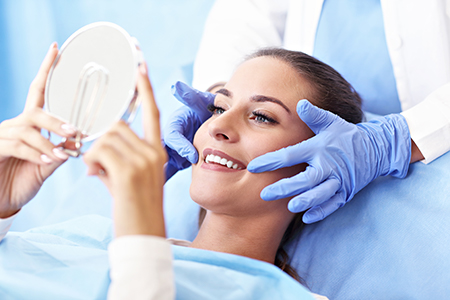
Preventive visits — combining a clinical exam with a professional cleaning — are the most effective way to protect your teeth and gums. Dental cleanings remove plaque and tartar that you cannot always reach at home, lowering the bacterial load that leads to decay and gum disease. When paired with an exam, these visits let us catch early changes when treatment is simpler and outcomes are better.
We typically recommend routine checkups at regular intervals so we can monitor your mouth over time. These consistent touchpoints allow us to identify developing trends, such as gum recession or enamel wear, and to provide targeted guidance to address contributing habits like aggressive brushing or nighttime grinding.
During a cleaning visit, our hygienists also take time to educate and demonstrate effective home-care techniques. Small improvements in daily habits — the right brushing angle, consistent flossing, and choosing appropriate products — can have a big impact when reinforced by professional care.
Children and adolescents benefit particularly from routine exams and cleanings because early intervention supports healthy development of teeth and jaws. We also watch growth patterns so orthodontic needs, when they arise, are recognized at the optimal time for treatment.
Visual inspection is essential, but many conditions begin out of sight — between teeth, under fillings, or within the jawbone. Digital dental x-rays provide that deeper perspective. They allow us to evaluate tooth roots, bone levels, the position of unerupted teeth, and other structures that an external exam alone cannot assess.
Digital radiography has several clinical advantages: images are produced quickly with minimal radiation exposure, they can be enhanced for clearer interpretation, and they are stored securely in your electronic record for comparison across visits. These features help us make well-informed recommendations and improve the accuracy of diagnoses.
We use x-rays selectively based on individual needs, age, and clinical indications. The goal is always to obtain the information necessary for excellent care while keeping exposure as low as reasonably achievable. When x-rays are recommended, we’ll explain the reason and how the images will help guide treatment decisions.
In certain cases, three-dimensional imaging can offer additional insights not available with conventional two-dimensional films. Those advanced images are used when planning surgery, assessing complex anatomy, or evaluating detailed aspects of the jaws or sinuses.
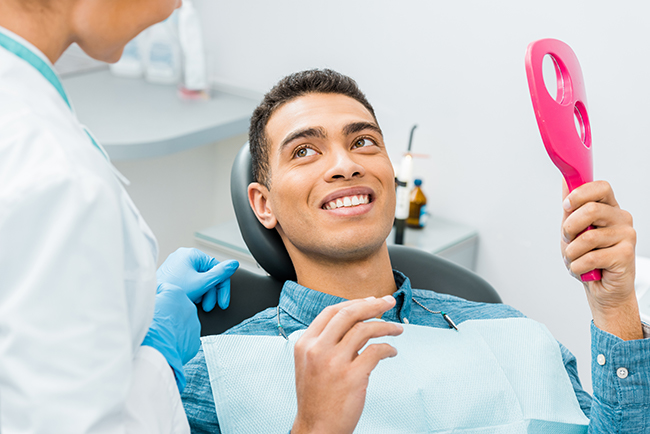
Different images serve different purposes. Bitewings are typically used to check for decay between teeth and to monitor bone levels, while periapical films show the full length of individual teeth and the surrounding bone. A full-mouth series provides a comprehensive set of views when a thorough baseline is needed.
Panoramic films capture a broad overview of the teeth, jaws, and sinuses and are especially helpful for evaluating impacted or developing teeth. Cephalometric views are used primarily in orthodontics to analyze jaw relationships and facial growth patterns when planning alignment treatment.
For certain surgical or implant cases, cone-beam computed tomography (CBCT) provides detailed three-dimensional images that improve diagnostic accuracy and treatment planning. CBCT scans reveal the precise position of anatomical structures and aid in safe, predictable care when more depth of information is required.
We select the smallest set of images that will safely and effectively provide the information needed for diagnosis and treatment planning. You’ll always be informed about why a particular image is recommended and how it supports the care we propose.
Regular oral exams are the foundation of long-term dental health: they help prevent disease, reveal hidden problems early, and connect oral findings to overall wellness. If you’d like to learn more about what to expect during an exam or to discuss how we approach preventive care, please contact us for more information.
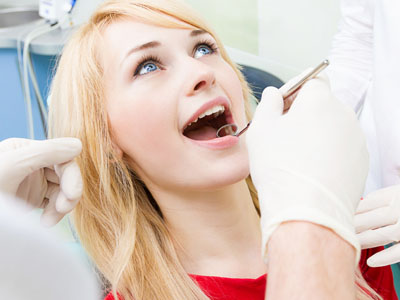

An oral exam is a systematic assessment of the mouth and surrounding structures that goes beyond a quick look at the teeth. It includes a review of medical and dental history, a clinical inspection of teeth and soft tissues, and an evaluation of bite and jaw function. The purpose is to identify early signs of disease, habits that harm oral health, and changes that warrant monitoring or treatment.
Regular exams create a baseline that helps the dental team spot trends over time and intervene before problems progress. They also allow the practice to coordinate care with other providers when oral findings suggest broader health concerns. Patients who understand their exam results are better able to participate in decisions about prevention and treatment.
A comprehensive oral exam begins with a careful review of your medical and dental history and a conversation about symptoms, medications, and daily habits that influence oral health. The clinician then performs a methodical inspection of the teeth for decay and wear, examines the gums for inflammation or pockets, and evaluates the soft tissues for any unusual lesions or changes. Bite relationships and jaw joint function are assessed to detect signs of clenching, grinding, or temporomandibular joint stress.
When indicated, diagnostic imaging such as digital radiographs supplements the clinical exam to reveal issues below the surface, including root problems and bone changes. Findings are documented and discussed so you understand their significance and the recommended next steps. The goal is a clear, prioritized plan that emphasizes prevention and minimally invasive care whenever appropriate.
Frequency of oral exams depends on individual risk factors, but routine checkups at regular intervals are the most effective way to monitor oral health. Many patients follow a six-month schedule, while others may need more frequent visits because of gum disease, complex restorations, or medical conditions that affect oral health. The dental team will recommend an interval based on your current status, history of dental disease, and lifestyle factors.
An individualized schedule allows clinicians to detect subtle changes in the mouth and intervene early when necessary. Children, smokers, people with diabetes, and those undergoing certain medical treatments often require tailored recall plans. Your recommended interval may change over time as your oral health improves or new concerns emerge.
The mouth often reflects systemic conditions, so an oral exam can reveal clues about nutrition, autoimmune disease, medication side effects, and infections that affect other parts of the body. Clinicians look for patterns such as unusual mucosal lesions, persistent sores, changes in gum tissue, and abnormalities in salivary flow that may indicate a need for further medical evaluation. While a dental exam does not diagnose medical diseases, it can uncover warning signs that prompt timely referrals to physicians.
Documenting findings carefully and communicating them clearly helps patients and medical providers connect oral observations with general health concerns. Early recognition of oral manifestations can influence management of conditions such as diabetes, cardiovascular disease, and certain gastrointestinal disorders. Collaborative care increases the chance of identifying and addressing underlying problems sooner.
Digital x-rays provide essential information that cannot be seen during a visual exam, revealing interproximal decay, root health, bone levels, and the position of unerupted teeth. These images are produced quickly with minimal radiation and can be enhanced and stored for comparison over time, improving diagnostic accuracy and treatment planning. Clinicians select the smallest set of images necessary based on age, clinical findings, and risk to keep exposure as low as reasonably achievable.
For complex cases, three-dimensional imaging such as cone-beam computed tomography may be recommended to evaluate detailed anatomy for surgical planning or implant placement. The decision to image is always explained so patients understand how the information will guide care. Imaging and clinical findings together create a more complete picture of oral health than either alone.
Yes. Pediatric oral exams focus on growth and development, eruption patterns, and habits that influence dental and jaw formation, while adult exams emphasize maintenance of restorations, periodontal health, and monitoring for wear or disease. For children, early exams are preventive and educational, guiding parents on home care, fluoride use, and the timing of sealants or interceptive orthodontics. Adults often receive more targeted screening for gum disease, oral cancer, and functional issues like bruxism.
Both children and adults benefit from a risk-based approach that adapts recall intervals and preventive measures to individual needs. Monitoring growth in adolescents allows timely referral to orthodontics when appropriate, and ongoing surveillance in adults catches progressive conditions before they require extensive treatment. The dental team tailors exams and recommendations to each life stage.
Bring a summary of your medical history, a list of current medications and supplements, and any recent records from other dental or medical providers that may inform care. Be ready to discuss symptoms, home-care habits, sleep or breathing issues, and any concerns about appearance or function so the clinician has a complete picture. If you wear removable appliances or have recent x-rays, bringing them can be helpful for establishing an accurate baseline.
Preparing questions in advance ensures you address your priorities during the visit, and being open about habits such as tobacco use or grinding helps the team recommend effective strategies. The exam will include explanations of findings and an opportunity to review proposed next steps, so you should plan time to discuss follow-up and preventive recommendations. Clear communication at the first visit sets the stage for a successful, long-term relationship with your dental team.
Regular oral exams allow clinicians to identify early signs of decay, infection, and structural weakness that, if left untreated, can lead to painful emergencies. By detecting small cavities, loose restorations, and early gum disease, the dental team can intervene with conservative treatments that reduce the chance of urgent problems. Exams also uncover behavioral contributors such as nighttime grinding or acidic diet that accelerate damage and can be managed to prevent crises.
Preventive visits that pair exams with professional cleanings further lower risk by removing plaque and tartar that promote decay and periodontal disease. Education and habit modification provided during these visits empower patients to reduce their own emergency risk between appointments. When potential trouble is identified, a clear plan and timely follow-up help avoid escalation to acute, complex care.
The dental team strives to make the exam a collaborative process by explaining observations in plain language, reviewing any images taken, and discussing why specific tests or treatments are suggested. Findings are prioritized so you understand which issues require immediate attention and which can be monitored, and clinicians outline practical, evidence-based options that fit your needs. Time is reserved to answer questions so you feel confident about recommended care and the rationale behind it.
Documentation of exam results is maintained in your record to track changes over time and support continuity of care across visits. When a medical issue is suspected, the team will recommend appropriate referrals and communicate observations clearly to other providers when requested. Follow-up plans, home-care guidance, and preventive strategies are emphasized to help you maintain oral health between appointments.
The practice offers a patient-centered approach that combines thorough clinical exams with selective digital imaging and clear communication to help patients make informed decisions about their oral health. Exams are performed with attention to whole-body wellness, documenting findings that may relate to medical conditions and coordinating care with other providers when appropriate. The team focuses on prevention and minimally invasive interventions to maintain health and function for the long term.
Our offices in McAllen and Pharr use modern diagnostic tools and a consistent protocol to establish baselines, monitor trends, and respond promptly when change occurs. Patients can expect a collaborative visit where the clinician explains results, outlines options, and provides guidance tailored to individual needs and life stage. If you would like to learn more about what to expect at an exam, the team is available to answer questions and help you prepare for your visit.

Ready to take the next step toward a healthier, brighter smile?
Contacting RGV Smiles by Dr. Rocky L. Salinas, DDS, PA is the first step! Our supportive team is available to assist with all your needs, from booking routine care to discussing advanced cosmetic services. Simply call or use our online form to connect with us today. We make it easy to prioritize your oral health!

Back to top