New Patients
Existing Patients
New Patients
Existing Patients
New Patients
Existing Patients
New Patients
Existing Patients


A confident smile depends on more than just straight teeth — it requires a bite that works comfortably and a jaw that functions in harmony. Orthodontic treatment gently guides teeth into better positions and, when needed, coordinates jaw relationships so your smile looks natural and performs well. Whether a patient seeks treatment for cosmetic refinement or to correct functional problems, the goal is the same: a healthy, balanced bite that supports everyday life.
Treatment uses precise, controlled forces delivered by a range of appliances to encourage teeth to move in predictable ways. Traditional metal braces remain a reliable solution for many complex cases, while newer systems — like tooth-colored braces and clear aligners — give patients more discreet options. Regardless of the device, treatment is planned around each person’s unique anatomy and goals to achieve stable, long-lasting results.
The timeline for orthodontic care varies widely. Some individuals require only limited, short-term adjustments, while others benefit from comprehensive planning that can take longer to complete. Throughout treatment, careful monitoring and periodic adjustments ensure teeth move safely and efficiently toward the desired outcome.
At RGV Smiles by Dr. Rocky L. Salinas, DDS, PA, our approach emphasizes individualized planning and clear communication. We collaborate with each patient to explain recommended steps, expected milestones, and the everyday habits that support a successful result.
Straightening teeth does more than enhance appearance — it simplifies daily care and protects oral health. Teeth that align properly are easier to clean, reducing the places where plaque and bacteria can hide. That lowers the risk of cavities and gum inflammation and makes routine hygiene more effective for everyone in the household.
Proper alignment also shields teeth from unnecessary trauma. When front teeth don’t protrude or sit off-center, they’re better protected by the lips and surrounding tissues in situations where an accidental impact could occur. This protective positioning helps prevent chips, fractures, and more serious injuries.
A functional bite improves how you speak, chew, and swallow. Teeth that meet correctly distribute chewing forces evenly across the dental arches, minimizing abnormal wear and the stress that can lead to cracked or worn teeth. Balanced occlusion is also an important factor in maintaining comfortable jaw movement.
Healthy alignment supports the temporomandibular joints and the muscles that control them. When teeth and jaws work together in harmony, patients are less likely to develop jaw pain, frequent headaches, or clicking and locking symptoms that can affect quality of life.
Easier and more effective oral hygiene, which helps prevent decay and periodontal issues.
Teeth that are less exposed to accidental damage and better protected by surrounding soft tissues.
Improved function for biting, chewing, and clear speech.
Reduced uneven wear and a lower risk of premature tooth breakdown.
Support for jaw health and a lower likelihood of developing TMJ-related discomfort.
An overall contribution to long-term oral and systemic well-being through improved care and function.

A successful treatment plan starts with a detailed evaluation: clinical examination, growth assessment for younger patients, and imaging when needed. We consider tooth alignment, jaw relationships, facial proportions, and oral health factors to determine which approach will yield the most predictable outcome. The result is a plan tailored to the person, not a one-size-fits-all solution.
Monitoring children as they grow is a central part of preventive orthodontics. Early visits allow clinicians to spot developing issues — such as crossbites, severe crowding, or problematic oral habits — and to recommend either observation or timely intervention when it can guide growth advantageously. Catching concerns early sometimes simplifies later treatment and can reduce the need for more invasive measures.
Adults can achieve excellent results too, provided existing dental conditions are addressed first. Periodontal health, restorative needs, and the condition of supporting bone all factor into the treatment plan. With careful coordination between general dentistry and orthodontics, many adults find orthodontic care to be both rewarding and manageable within their lifestyle.
Which appliances work best depends on clinical complexity, patient preferences, and compliance. Some cases require fixed braces to control tooth movement precisely, while other types of misalignment respond well to clear, removable aligners. We discuss the pros and cons of each option candidly so patients can make informed choices.
The severity and type of bite issue that needs correction
The amount of crowding or spacing present in the dental arches
Whether tooth extractions or supportive appliances are required for space management
The relationship and growth patterns of the upper and lower jaws
How long appliances are expected to be worn and what level of maintenance they demand
Patient commitment to oral hygiene and following appliance instructions

Orthodontics has changed dramatically in recent years thanks to digital planning and refined appliance design. Three-dimensional imaging and computer-assisted treatment simulations allow clinicians to visualize movement and anticipate outcomes with greater confidence. Digital impressions and intraoral scanners improve comfort and accuracy while eliminating messy materials from many visits.
Bracket and wire technology has advanced too: smaller, smoother brackets and low-profile archwires reduce irritation and make fixed braces more comfortable than earlier generations. For patients who prioritize discretion, ceramic brackets or lingual braces — mounted on the tongue side of the teeth — provide less visible alternatives without sacrificing control.
Clear aligner therapy remains a popular option for many teens and adults because the trays are removable and nearly invisible in daily life. Aligners allow patients to maintain familiar oral care routines and enjoy meals without appliance restrictions. While aligners are highly effective for a wide range of alignment issues, careful diagnosis is required to determine when they are the optimal choice.
Beyond the appliance itself, adjunctive technologies such as temporary anchorage devices, 3-D surgical planning for complex cases, and accelerated tooth-movement techniques can expand treatment possibilities. These tools are used selectively when evidence supports a clear benefit for the patient.
Clear aligners move teeth gradually through a series of custom trays. Each tray is worn for a prescribed interval before being replaced with the next in the sequence. Because the trays are removable, patients must commit to wearing them for the recommended hours each day to achieve intended results. When used appropriately, aligners can produce excellent esthetic and functional outcomes.
Aligner therapy frequently appeals to image-conscious patients and those who want fewer disruptions to daily life. Our team explains realistic expectations for treatment length, hygiene with removable trays, and the follow-up care that maintains the final result.

The final step of orthodontic care is retention — a critical phase that preserves the alignment you worked to achieve. Retainers come in several styles, from removable trays to fixed wires bonded behind the teeth; the choice depends on how the teeth responded to treatment and the individual’s risk of relapse. Wearing retainers as directed helps the supporting tissues settle into their new positions.
Even after appliances are removed, ongoing dental care remains important. Routine checkups, professional cleanings, and good daily hygiene protect teeth and gums from problems that can undermine orthodontic gains. For adults, maintaining periodontal health and addressing restorative needs promptly keeps smiles both healthy and attractive.
Patients who commit to retention and responsible oral care enjoy the long-term benefits of orthodontic treatment. Small adjustments to habits — such as protecting teeth during sports, managing oral habits that pressure teeth, and attending periodic follow-ups — make a tangible difference in preserving a well-functioning smile.
In short, modern orthodontics offers powerful tools to improve form, function, and confidence at almost any age. If you’d like to learn more about whether orthodontic care is a good fit for you or your child, please contact us for more information.
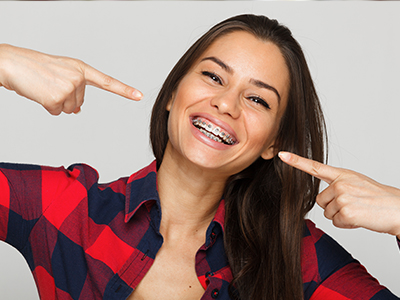

Orthodontic treatment uses controlled forces delivered by appliances to move teeth and, when needed, guide jaw relationships so the bite functions efficiently and looks natural. Treatment can address crowding, spacing, crossbites, overbites, underbites and other developmental or functional concerns that affect oral health and comfort. The overall goal is a stable, balanced bite that supports chewing, speech and long-term dental wellness.
Candidates include children, teens and adults who have alignment or bite issues that affect function, hygiene or appearance. Early evaluations are useful to identify developing problems and to determine whether monitoring or timely intervention will simplify future care. Treatment decisions are individualized based on anatomy, growth potential and the patient’s clinical needs.
Traditional fixed braces use brackets and archwires to apply precise forces for complex tooth movement and are well suited to cases that require controlled three-dimensional adjustments. Clear aligners are removable, esthetic trays that move teeth incrementally according to a planned sequence and are often preferred by image-conscious patients. Each system has strengths and limitations, and the choice depends on clinical complexity, treatment goals and patient preferences.
Fixed appliances generally provide the highest level of mechanical control for rotations, severe crowding or large bite corrections, while aligners can be highly effective for many alignment and mild-to-moderate bite issues. Aligners require consistent daily wear and good patient compliance to achieve predictable results. Your dental team will review the relative advantages and trade-offs to determine the best option for your case.
A thorough treatment plan begins with a detailed clinical examination, growth assessment for younger patients and diagnostic records such as photographs, dental models or digital scans and radiographs when indicated. These records help assess tooth positions, jaw relationships, facial proportions and any restorative or periodontal factors that influence orthodontic choices. Accurate diagnostics allow clinicians to forecast movement and select the most appropriate appliance and sequencing.
At RGV Smiles by Dr. Rocky L. Salinas, DDS, PA we combine clinical findings with digital records and treatment simulations to develop a step-by-step plan that aligns with the patient’s goals and oral health needs. The plan specifies appliance type, anticipated milestones and any coordination with restorative or periodontal care. Clear communication about expectations and required commitments helps ensure a safe, efficient course of treatment.
Early evaluation allows clinicians to identify developing bite problems, abnormal eruption patterns and harmful oral habits before they become more difficult to correct. Interceptive care can sometimes guide jaw growth, create space for erupting teeth or halt habits that distort tooth positions. When appropriate, limited early treatment can reduce the complexity of comprehensive therapy later in life.
Not every early concern requires immediate intervention; some situations are best managed with observation and periodic reassessment. When treatment is recommended, the timing is chosen to take advantage of favorable growth or to prevent damage to developing teeth and supporting structures. Regular pediatric dental visits make it easier to monitor progress and intervene when the clinical benefit is clear.
Adults can achieve excellent orthodontic outcomes, but certain prerequisites should be addressed first, including periodontal health, active decay and the condition of existing restorations. Adequate bone support, gum stability and a plan for any needed restorative work are important to ensure safe tooth movement. A comprehensive evaluation clarifies whether additional dental treatment is necessary before orthodontic mechanics begin.
Treatment options for adults often emphasize discretion and convenience, with choices such as ceramic brackets or clear aligners available in many cases. The overall timeline and mechanics depend on the complexity of the malocclusion and any preparatory dental work. Clear communication about maintenance, hygiene and realistic goals helps patients integrate orthodontics into their lifestyles.
Digital tools such as three-dimensional imaging, computer-assisted treatment simulation and intraoral scanning enhance diagnostic accuracy and treatment predictability. These technologies allow clinicians to visualize planned tooth movements, evaluate outcomes virtually and create precise appliances or aligner sequences without traditional impressions. Digital records also improve communication between specialists when interdisciplinary coordination is needed.
Advances in bracket design and materials, as well as adjunctive techniques like temporary anchorage devices and selective accelerated-movement protocols, expand therapeutic possibilities for appropriately selected cases. Technology does not replace clinical judgment, but it refines planning and helps clinicians anticipate and manage challenges more effectively. Patients benefit from more comfortable impressions, clearer treatment timelines and improved visualization of expected results.
Routine orthodontic visits are used to monitor progress, make adjustments to wires or appliances and deliver the next set of aligners or auxiliary devices as indicated. Appointment intervals vary by treatment type and individual response, and clinicians assess movement, oral hygiene and appliance integrity at each visit. These check-ins are also opportunities to answer questions about daily care and to address any minor concerns before they escalate.
Mild soreness or pressure is common after adjustments or when starting a new aligner tray, and this discomfort generally subsides within a few days and can be managed with over-the-counter remedies and soft diets if needed. More significant pain, loose brackets or damaged appliances should be reported so the orthodontic team can provide guidance or repairs. Consistent attendance at scheduled visits helps maintain momentum toward the planned outcome.
Retention is the phase of care that preserves alignment after active tooth movement and is essential for long-term stability. Retainers can be removable trays, clear vacuum-formed devices or fixed wires bonded behind the teeth; the selection depends on how the teeth responded to treatment and the patient’s relapse risk. Wearing retainers as directed allows the supporting tissues to mature and adapt to the new tooth positions.
Even with diligent retention, ongoing dental care remains important to protect the health of teeth and gums and to monitor any gradual changes over time. Periodic follow-up visits allow clinicians to assess retainer fit and make adjustments when necessary. Patients who combine retention with good oral hygiene and routine professional care are most likely to enjoy lasting benefits from orthodontic treatment.
Orthodontic appliances create additional surfaces where plaque can accumulate, so meticulous daily hygiene is essential to prevent decay and gum inflammation. Brushing thoroughly around brackets, under wires and along the gumline, supplemented by interdental brushes or flossing aids, helps control plaque buildup. Patients with clear aligners should also clean trays regularly and remove them before eating to maintain oral hygiene and appliance integrity.
Professional cleanings and periodic dental exams remain critical while undergoing orthodontics to catch early signs of demineralization or periodontal changes. Fluoride use and topical preventive measures may be recommended to strengthen enamel during treatment. Clear instructions and routine reinforcement from the orthodontic team support successful hygiene habits and a healthier final result.
Orthodontic treatment is generally safe, but potential risks include root resorption, decalcification of enamel, gum recession, relapse and soft-tissue irritation from appliances. Careful diagnosis, conservative mechanics and regular monitoring help minimize these risks, and any concerning signs are addressed promptly to limit long-term impact. Good oral hygiene and adherence to the treatment plan reduce the likelihood of preventable complications.
If complications arise, the orthodontic team tailors management to the specific issue, which may include modifying forces, coordinating with a periodontist or restorative dentist, or adjusting the retention strategy. Open communication and timely follow-up care are key to resolving problems effectively and maintaining progress toward a healthy, functional smile. Patients should report unusual symptoms so clinicians can intervene early when necessary.

Ready to take the next step toward a healthier, brighter smile?
Contacting RGV Smiles by Dr. Rocky L. Salinas, DDS, PA is the first step! Our supportive team is available to assist with all your needs, from booking routine care to discussing advanced cosmetic services. Simply call or use our online form to connect with us today. We make it easy to prioritize your oral health!

Back to top