New Patients
Existing Patients
New Patients
Existing Patients
New Patients
Existing Patients
New Patients
Existing Patients


At the office of RGV Smiles by Dr. Rocky L. Salinas, DDS, PA, we place a high priority on nurturing healthy, confident smiles for children of every age. Our pediatric dentistry approach combines careful clinical care with practical guidance so families can build lasting oral health habits early on.

Early dental care is about more than treating teeth — it’s about establishing routines and relationships that make dental health a normal part of a child’s life. We encourage families to begin dental visits around the first birthday so clinicians can track growth, catch early concerns, and coach parents on brushing, fluoride use, and nutrition.
Children respond best to a calm, predictable environment. Our team focuses on gentle communication, age-appropriate explanations, and simple demonstrations that help kids understand what to expect. This reduces fear and sets the stage for cooperative, constructive visits as they grow.
Prevention is the foundation of our pediatric services. From one-on-one hygiene instruction to anticipatory guidance about pacifiers, thumb-sucking, and night bottles, we partner with parents to reduce risk factors and preserve natural teeth until they are ready to be replaced by permanent teeth.
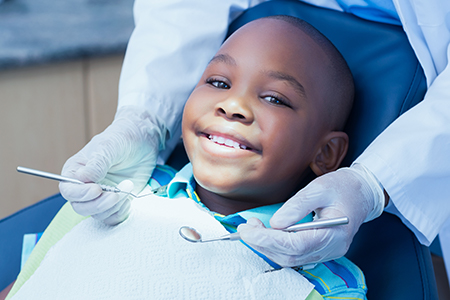
Routine checkups are opportunities to assess current health and look ahead to the child’s next stage of development. During an exam we evaluate the teeth, gums, bite alignment, and the way the jaws are growing, and we update medical and dental histories to make care decisions tailored to each child.
A professional cleaning removes plaque and soft buildup that daily brushing can miss, and provides a chance to demonstrate effective techniques. When indicated, we may take digital radiographs to examine areas that are not visible to the eye and to monitor the position of developing permanent teeth.
Based on a child’s needs, we may recommend protective measures such as fluoride varnishes or dental sealants to guard chewing surfaces from decay. These interventions are evidence-based, minimally invasive, and designed to extend the life of natural teeth while avoiding more complex treatment later.
Small, consistent habits make a big difference. Brushing twice daily with an age-appropriate toothbrush and a smear or pea-sized amount of fluoride toothpaste (as recommended by pediatric guidelines) removes plaque before it can damage enamel. Flossing should begin when adjacent teeth touch.
Nutrition plays a direct role in dental health. Limiting frequent exposure to sugary snacks and drinks, choosing water over juice between meals, and offering tooth-friendly snacks like cheese and vegetables help reduce the risk of cavities and support general growth.
Parents can also reduce risks by avoiding practices that promote early decay, such as putting a baby to sleep with a bottle of milk or juice. Encouraging weaning from bottles and guiding children away from prolonged pacifier or thumb habits at the right time supports both oral health and proper jaw development.
Active children are at risk for sports-related dental injuries. Properly fitted mouthguards are an effective, simple way to protect teeth and soft tissues during play. For contact sports or activities with a high risk of falls, custom mouthguards offer better fit and protection than one-size-fits-all options.
We also advise parents and coaches on safe play habits and predictable ways to reduce injury risk. When accidents do occur, prompt evaluation helps determine whether a tooth can be saved, needs repositioning, or requires other urgent care to prevent long-term consequences.

Baby teeth begin forming before birth and typically begin to emerge in the first year of life. These primary teeth are vital for feeding, speech development, and maintaining space for the future permanent teeth. Early visits let us check eruption patterns and advise parents on gentle cleaning and care.
As teeth appear, simple daily routines — a soft brush or a damp cloth for infants, and a child-sized toothbrush for toddlers — help keep the mouth comfortable and free of harmful bacteria. We also coach parents on when to introduce toothpaste and how to supervise brushing to minimize swallowing.
When decay is detected in very young children, timely, conservative treatment preserves tooth structure and prevents infection. Parent education at this stage is especially valuable because many causes of early decay are preventable with small changes in daily care and feeding routines.
Children’s jaws and teeth go through predictable stages of growth. Regular dental visits allow clinicians to track facial development and identify patterns that may affect alignment, breathing, or bite function. Early identification of orthodontic issues can simplify later treatment and support healthier outcomes.
Habits such as prolonged thumb or finger sucking can influence the position of teeth and the shape of the dental arches. When these habits persist beyond the preschool years, targeted behavioral strategies and professional guidance help families transition away from them while minimizing their impact on dental development.
In some cases, space maintainers or interceptive orthodontic measures are recommended to preserve room for permanent teeth or guide growth in a favorable direction. We discuss these options with families in clear terms so parents understand the purpose, timing, and expected benefits of early intervention.
Orthodontic specialists commonly recommend a screening visit by age seven to evaluate how permanent teeth are coming in and whether jaw development is proceeding normally. This doesn’t mean every child will need braces early, but identifying concerns at this stage opens the door to simpler, more effective solutions when they are needed.
Our team coordinates closely with orthodontic colleagues and will recommend a referral when signs suggest that monitoring or early treatment could reduce future complexity. Collaborative care ensures families receive timely, coordinated guidance across the course of their child’s dental development.
Accidents happen: knocked-out teeth, fractures, painful swellings, or sudden trauma can be frightening for both children and caregivers. Prompt assessment is important; in many cases immediate attention preserves tooth structure and reduces the likelihood of more invasive treatment later.
We approach urgent care with calm, efficient evaluation and clear instructions for next steps. Our priority is to relieve discomfort, stabilize the situation, and outline a short-term and long-term plan that addresses healing, function, and appearance.
Equally important is creating a positive, trusting relationship with each child so that routine and emergency visits alike are met with confidence. We use distraction, clear explanation, and supportive behavior guidance to reduce anxiety and help children feel safe during their care.
In short, our pediatric dentistry services combine prevention, early detection, and thoughtful intervention so children can enjoy healthy mouths and confident smiles. Whether it’s a first visit, a routine cleaning, guidance about growth and habits, or same-day attention after an injury, our team is prepared to help families protect their children’s oral health.
To learn more or discuss your child’s needs, please contact us for more information.


A pedodontist is a dentist who has received advanced specialty training in meeting the dental needs of children from infancy to adolescence. Pedodontists, also referred to as "pediatric dentists," study child psychology, behavior management, caring for children with special needs, methods of handling oral/facial trauma, and various techniques for providing anesthesia and sedation. Pedodontists also understand the complexities of facial growth and development and have the clinical skills required to meet the dental needs of all children at every stage of development. Most of all, pedodontists are passionate about what they do and enjoy working with children. They strive to make every dental experience a positive one as they help children establish a strong foundation for good oral health.
Even before your child is born, their first set of teeth is already forming. In fact, by one year of age, some of your baby's front teeth will have already come into place. While the arrival of your baby's first teeth is only one of many developmental milestones, it represents an excellent time to begin a program of oral care. According to recommendations from the American Dental Association, babies should see the dentist around the time of their first birthdays.
Your baby's first teeth typically begin to appear in the 6 to 12-month range. While this is an extraordinary milestone, you need to be aware that your baby may find the experience a little bit uncomfortable. Teething can make babies feel irritable. They may be fussy, have trouble sleeping, not want to eat, and drool quite a bit.
Although you are powerless to speed up the process of teething, there are a few things that you can do to soothe your baby as the new teeth are erupting into place. Common approaches to helping your baby feel more comfortable while getting new teeth, include teething rings or a cold spoon or moist gauze rubbed over their gums.
Even for these few new teeth, it's absolutely essential to establish an effective regimen of oral care. For information on when your baby's first set of teeth will erupt into place, consult this timeline from the American Dental Association: Eruption Charts
Some children persist in sucking their thumbs or fingers beyond their preschool years. For these children, the activity continues to be a source of comfort, relaxation, and security. It may even help them fall asleep at night. However, it's essential to be aware that in the long-term, a finger sucking habit is not healthy.
If your child's thumb or finger sucking habit is still present when the permanent teeth begin to come in, your child is at a higher risk of developing a bad bite. By the age of five or six years, you need to constructively and gently help your child stop the habit.
It's also a good idea to have a comprehensive evaluation at this time. Your pedodontist can assess if there are any habit related alterations to the alignment of your child's teeth or jaws, or if it is affecting their speech or swallowing patterns. They can also discuss habit control strategies with you, as well as follow your child's bite and facial development as they grow. If interceptive appliances or corrective orthodontic care are recommended, the timetable and best options in care will be explained in complete detail.

Ready to take the next step toward a healthier, brighter smile?
Contacting RGV Smiles by Dr. Rocky L. Salinas, DDS, PA is the first step! Our supportive team is available to assist with all your needs, from booking routine care to discussing advanced cosmetic services. Simply call or use our online form to connect with us today. We make it easy to prioritize your oral health!

Back to top