New Patients
Existing Patients
New Patients
Existing Patients
New Patients
Existing Patients
New Patients
Existing Patients


Gum disease is one of the most widespread oral health problems adults face: studies from the Centers for Disease Control and Prevention show that roughly half of adults over 30 exhibit some form of periodontal disease. The condition ranges from mild inflammation to destructive infection that can undermine tooth support and overall oral comfort. The good news is that most cases can be prevented or controlled with timely care and consistent maintenance.
Periodontal disease refers to inflammation and infection of the periodontium — the network of gum tissue, connective fibers, and the jawbone that anchors your teeth. It begins when bacterial plaque and hardened tartar accumulate along the gumline and below it, provoking an inflammatory response from the body. Left unchecked, that response can damage the tissues that hold teeth in place.
Unlike a cavity, early gum disease often develops slowly and without obvious pain, which is why many people first notice it only when signs become more pronounced. Regular dental exams help identify pockets of infection, gum recession, and early bone loss before irreversible damage occurs. Addressing issues early makes treatment simpler and more predictable.
Good oral hygiene, routine professional cleanings, and prompt treatment of emerging problems interrupt the disease process. When patients and clinicians work together, it’s possible to preserve natural teeth, reduce inflammation, and protect long-term oral function.
Common signs that should prompt an evaluation include:
Gums that are red, swollen, or tender
Bleeding during brushing, flossing, or with light touch
Gum recession that exposes more of the tooth or root surface
Increased sensitivity to hot, cold, or sweet stimuli
Persistent bad breath or an unpleasant taste in the mouth
Teeth that seem loose or shifting position
New gaps opening between teeth or changes in how your bite feels
Altered fit of removable dentures or partials
Pus or other discharge near the gumline
Discomfort when biting or chewing

Healthy gums do more than keep your teeth in place — they contribute to your overall well-being. Researchers have identified associations between periodontal disease and systemic conditions such as heart disease, diabetes, and certain respiratory illnesses. While research continues to clarify these relationships, maintaining periodontal health is a reasonable part of a broader preventive health strategy.
When chronic inflammation exists in the mouth, it can create a sustained immune response that affects other systems. For patients managing chronic medical conditions, good periodontal care can be an important complement to medical treatment and a way to reduce inflammatory burden.
Prevention remains a cornerstone: consistent home care, professional cleanings, and regular checkups not only preserve oral tissues but also support better overall health outcomes. Our team emphasizes prevention and early intervention to reduce future risks and maintain long-term oral function.
Gingivitis is the initial, reversible stage of gum disease. It is characterized primarily by gum inflammation without the destruction of the underlying bone or connective tissue. Typical signs include redness, swelling, and bleeding during oral hygiene routines — warnings that the tissue is reacting to bacterial buildup.
The encouraging reality about gingivitis is that it is usually treatable with non-invasive measures. Professional thorough cleanings remove plaque and tartar that home care cannot reach, while a disciplined brushing and flossing routine helps prevent the condition from returning. Patient education and tailored oral hygiene advice often produce rapid improvements.
Addressing gingivitis early preserves tissue health and avoids the need for more complex care. With commitment from the patient and guidance from the dental team, tissue health can be restored and maintained through ongoing monitoring and maintenance.

If gingivitis is not controlled, it can progress to periodontitis — a stage where the infection penetrates deeper and begins to harm the supporting bone and connective tissues. Pockets form between the teeth and gums, tissue attachment is lost, and bone can resorb. These changes can ultimately lead to tooth mobility or loss if left untreated.
Treatment for periodontitis focuses on stopping disease progression and preserving as much of the natural support structure as possible. Depending on the severity, care may include thorough cleaning below the gumline, antimicrobial strategies, and surgical interventions to reduce pocket depth and restore tissue health.
Successful management typically combines targeted clinical treatments with improved home care and a schedule of regular periodontal maintenance visits to monitor healing and prevent recurrence.
Modern periodontal care offers more than infection control; advances in regenerative dentistry can rebuild lost tissue in appropriate cases. Procedures such as bone grafting, guided tissue regeneration, and soft tissue grafts aim to restore form and function, improving support for teeth and the overall contours of the smile.
These restorative approaches are used judiciously, often in combination with periodontal surgery or pocket reduction techniques, to maximize long-term stability. Treatment plans are individualized based on the pattern of tissue loss, patient goals, and overall oral health.
At RGV Smiles by Dr. Rocky L. Salinas, DDS, PA, we tailor periodontal plans to each patient’s needs, leveraging current techniques to help protect natural teeth and create a healthier foundation for future restorative options when appropriate.
Selecting a treatment approach depends on several clinical factors: the stage and pattern of disease, pocket depths, bone levels, smoking status, systemic health, and the patient’s ability to maintain daily oral hygiene. After a detailed assessment, your dental team will outline the recommended steps to regain periodontal stability and preserve oral function.
Non-surgical care — including scaling and root planing combined with improved home care and targeted antimicrobial therapy — is often the first step in managing periodontal infection. These measures remove bacterial deposits and smooth root surfaces so gum tissue can reattach and inflammation can subside.
When deeper pockets or structural damage are present, surgical therapies may be necessary. Surgical pocket reduction, flap procedures, and adjunctive regenerative techniques allow clinicians to clean inaccessible areas, reduce pocket depth, and rebuild lost tissues when feasible.

For early to moderate disease, conservative treatment is the preferred starting point. Scaling and root planing — a deep cleaning performed below the gumline — removes plaque and calculus from root surfaces and reduces bacterial load. This decreases inflammation and allows healing when combined with improved home care.
Adjunctive therapies, such as locally placed antimicrobials or short courses of systemic medication, can be used judiciously to enhance bacterial control in specific situations. The overarching goal is to achieve periodontal stability using the least invasive and most predictable methods available.
When non-surgical treatment achieves healthy pocket depths and tissue stability, patients transition to a personalized maintenance schedule to preserve those gains long term.
When disease has produced deep pockets, significant bone loss, or persistent inflammation despite conservative care, surgical intervention may be recommended. Pocket reduction surgery (flap surgery) exposes root surfaces for thorough debridement and allows reshaping of bone and soft tissue to create a more maintainable environment.
Regenerative procedures, including bone grafts and guided tissue regeneration, are designed to rebuild lost structure in carefully selected cases and improve the long-term prognosis of affected teeth. In some practices, laser-assisted techniques can also support specific periodontal procedures.
Post-surgical care, patient motivation, and ongoing maintenance are essential for lasting success. With the right combination of clinical treatment and home care, the progression of gum disease can often be arrested and oral health restored.
Periodontal disease is manageable when it’s detected early and treated with a well-considered plan. If you have signs of gum disease or would like to learn more about preserving your periodontal health, please contact us for more information.
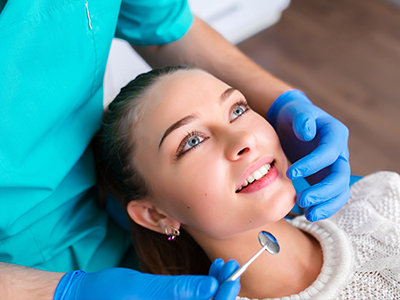

Periodontal disease is an infection and inflammation of the periodontium, the tissues that support teeth including gum tissue, connective fibers, and the jawbone. It begins when bacterial plaque accumulates along and below the gumline and hardens into tartar, provoking an inflammatory response. Left untreated, this inflammation can damage the tissue attachments and bone that hold teeth in place, potentially leading to tooth mobility or loss.
The condition commonly progresses from reversible gingivitis to destructive periodontitis if not addressed. Early stages may be painless and easily overlooked, which is why routine dental exams and professional cleanings are important. Detecting disease early increases the chance of controlling it with conservative measures and preserving natural teeth.
Common early signs that warrant a periodontal evaluation include gums that are red, swollen, or tender and bleeding during brushing or flossing. Other warning symptoms include persistent bad breath, gum recession that exposes more of the tooth, increased sensitivity, and any noticeable change in tooth position or bite. Pus near the gumline or discharge is a sign of active infection and should be checked promptly.
Because early gum disease can develop without severe pain, patients should not wait for discomfort to appear before seeking care. Regular dental visits allow clinicians to measure pocket depths, assess attachment loss, and take radiographs when needed to identify early bone changes. Timely assessment makes treatment simpler and improves long-term prognosis.
Clinicians evaluate periodontal health using a combination of visual examination, periodontal probing to measure pocket depths, and dental radiographs to assess bone levels. Probing identifies areas where the gum has detached from the tooth, and charting these measurements over time reveals disease progression or stability. The clinician also reviews medical history, smoking status, and systemic conditions that affect healing and disease risk.
These findings are used to stage and grade disease severity and to develop an individualized treatment plan. Additional tests, such as microbial sampling or assessment of inflammatory markers, may be indicated in specific cases to guide therapy. A comprehensive assessment ensures interventions target the underlying causes and support long-term maintenance.
Non-surgical care is often the first line of treatment and includes scaling and root planing, a deep cleaning performed below the gumline to remove plaque and calculus from root surfaces. This procedure reduces bacterial load and smooths the roots to encourage reattachment of gum tissue and reduction of pocket depths. Adjunctive therapies such as locally placed antimicrobials or short courses of systemic medication may be used selectively to improve bacterial control.
Successful non-surgical therapy also depends on improved patient home care and behavioral changes, such as better brushing and flossing techniques and smoking cessation. Following initial therapy, clinicians typically re-evaluate healing and pocket depth reduction before deciding whether further treatment is needed. When conservative measures restore healthy pocket depths, patients transition to a personalized periodontal maintenance schedule to preserve gains.
Surgical intervention is recommended when deep pockets, persistent inflammation, or significant bone loss remain after non-surgical therapy or when anatomical factors prevent adequate cleaning. Common surgical approaches include flap or pocket reduction procedures that expose root surfaces for thorough debridement and allow reshaping of bone and soft tissue to create more maintainable contours. In select cases, regenerative techniques are performed concurrently to rebuild lost bone and connective tissue.
Surgery is performed with attention to minimizing trauma and optimizing healing, and postoperative instructions are critical for successful outcomes. Recovery typically involves short-term discomfort and a period of modified oral hygiene, followed by close clinical monitoring. The overall goal of surgical care is to halt disease progression, reduce pocket depths, and restore a healthier foundation for teeth.
Contemporary periodontal care offers several regenerative options that can rebuild lost structures in appropriate cases. Procedures such as bone grafting, guided tissue regeneration, and soft tissue grafts are designed to encourage new bone and connective tissue growth or to replace lost gum tissue and improve tooth support. These techniques are selected based on the pattern and extent of tissue loss and the patient’s overall oral health status.
Regenerative procedures are most successful when used in combination with thorough infection control and careful patient follow-up. Not every case is a candidate for full regeneration, but even partial gains can improve prognosis and function. A tailored treatment plan developed by your clinician determines which regenerative strategies are reasonable and achievable for long-term stability.
Effective home care is a cornerstone of periodontal treatment and includes twice-daily brushing with a soft-bristled toothbrush, daily interdental cleaning with floss or interdental brushes, and the use of any prescribed antimicrobial rinses. Patients should follow specific instructions provided by their dental team regarding cleaning around surgical sites, temporary dietary restrictions, and timing of normal oral hygiene resumption. Proper technique and consistency help control plaque and support clinical healing.
Regular communication with your dental team is important if you notice increased bleeding, pain, or signs of infection during recovery. The office of RGV Smiles by Dr. Rocky L. Salinas, DDS, PA emphasizes patient education and individualized home care plans to maintain periodontal health. Long-term success depends on combining professional care with disciplined daily oral hygiene and routine maintenance visits.
Research has identified associations between periodontal disease and systemic conditions such as cardiovascular disease, diabetes, and certain respiratory illnesses, likely related to chronic inflammation and the spread of oral bacteria. While these links are complex and ongoing research continues to clarify causal pathways, maintaining periodontal health is a prudent component of overall preventive care. For patients with chronic medical conditions, periodontal management can complement medical treatment and may help reduce inflammatory burden.
Clinicians consider medical history, medications, and systemic risk factors when planning periodontal care because these elements influence healing and disease progression. Coordination with a patient’s primary care physician or specialist may be advisable for those with significant systemic disease. Open communication ensures periodontal treatment is safe, effective, and integrated with the patient’s broader health needs.
Certain factors increase the risk of developing periodontal disease, including smoking or tobacco use, poorly controlled diabetes, genetic predisposition, and inadequate oral hygiene. Other contributors include certain medications that affect saliva flow or gum health, hormonal changes, and conditions that reduce immune function. Age is also a factor, as prevalence increases in adults over 30, and long-standing plaque accumulation compounds risk over time.
Because risk varies among individuals, clinicians perform a personalized assessment to identify modifiable and nonmodifiable factors. Addressing controllable risks such as smoking cessation, improved oral hygiene, and optimization of systemic health can markedly improve treatment outcomes. Regular dental care helps monitor risk and detect disease at a stage when intervention is most effective.
After active periodontal therapy, patients typically enter a periodontal maintenance program that includes more frequent professional cleanings, periodontal probing, and periodic radiographic evaluation to monitor pocket depths and bone levels. Maintenance intervals are individualized and often range from every three to six months depending on disease severity and response to treatment. These visits focus on removing new plaque and calculus, reinforcing effective home care, and detecting early signs of recurrence.
Long-term adherence to a maintenance schedule is one of the strongest predictors of sustained periodontal stability and tooth retention. The team at RGV Smiles by Dr. Rocky L. Salinas, DDS, PA collaborates with patients to establish a realistic maintenance plan tailored to their clinical needs and lifestyle. Ongoing monitoring and timely intervention help preserve oral function and reduce the likelihood of future complications.

Ready to take the next step toward a healthier, brighter smile?
Contacting RGV Smiles by Dr. Rocky L. Salinas, DDS, PA is the first step! Our supportive team is available to assist with all your needs, from booking routine care to discussing advanced cosmetic services. Simply call or use our online form to connect with us today. We make it easy to prioritize your oral health!

Back to top