New Patients
Existing Patients
New Patients
Existing Patients
New Patients
Existing Patients
New Patients
Existing Patients


Getting a full, restorative night’s sleep is essential to overall health and day-to-day functioning. For millions of adults, interruptions to breathing during sleep — often unnoticed by the sleeper — can quietly undermine energy, mood, and long-term well-being. At the office of RGV Smiles by Dr. Rocky L. Salinas, DDS, PA, we evaluate and treat dental contributors to sleep-disordered breathing so patients can pursue safer, more restful nights and improved daytime performance.
Sleep-disordered breathing describes a range of conditions in which airflow is partly or completely reduced during sleep. Obstructive sleep apnea (OSA) is the most common form: repeated collapses or blockages of the upper airway cause brief pauses in breathing that can happen dozens or even hundreds of times each night. These interruptions reduce oxygen levels and fragment normal sleep architecture, leading to nonrestorative sleep.
While apnea events occur at night, the underlying problem often involves physical structures in the mouth and throat — including the position of the tongue, the size of the soft palate, and the alignment of the jaw. Identifying the anatomical and behavioral contributors to airway narrowing is a key step toward choosing an effective, individualized treatment plan.
Not every person who snores has sleep apnea, and not every case of sleep apnea looks the same. Diagnosis depends on a careful combination of symptom review, medical history, and testing. Dental professionals who specialize in sleep medicine work closely with physicians to interpret findings and recommend appropriate therapies.
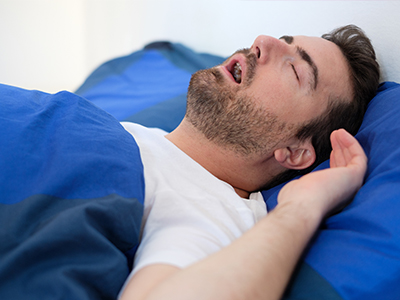
Many people first learn they may have a problem when a bed partner reports loud, persistent snoring punctuated by gasping or pauses in breathing. Other nighttime signs include frequent awakenings, restless sleep, and dry mouth or sore throat in the morning. Because apnea episodes disrupt normal sleep stages, they prevent the deep, restorative sleep needed for cognitive and physical recovery.
Daytime consequences are often more noticeable: excessive sleepiness, trouble concentrating, memory lapses, mood changes, and diminished motivation can all result from fragmented sleep. Over time, untreated sleep apnea has been associated with higher risk for high blood pressure, cardiovascular strain, and metabolic disturbances, making early recognition important for long-term health management.
Because symptoms can be subtle, routine screening during dental or medical visits is valuable. Patients may not realize their sleep is interrupted, so clinicians often rely on a combination of reported symptoms, clinical examination, and input from household members to determine whether further evaluation is warranted.
Diagnosis typically begins with a clinical screening and medical history focused on sleep habits, daytime functioning, and risk factors. If screening raises concern, the next step is an objective sleep study. These studies measure breathing patterns, oxygen levels, heart rate, and sleep stages to determine both the presence and severity of sleep apnea.
Sleep testing can take place in a laboratory setting or through validated home sleep apnea testing, depending on a patient’s symptoms and medical profile. Results from testing help clinicians determine whether a treatment like continuous positive airway pressure (CPAP), positional therapy, lifestyle changes, or a dental appliance is the most appropriate option.
Dental professionals trained in sleep medicine play a collaborative role. When oral appliances are being considered, dentists coordinate with physicians and sleep specialists to ensure that devices are used safely and effectively, particularly in moderate to severe cases where combined therapies may be indicated.
Treatment for sleep apnea is personalized and based on severity, anatomy, and patient preferences. CPAP remains a common first-line therapy for moderate to severe obstructive sleep apnea; it delivers pressurized air to keep the airway open throughout the night. While highly effective when used consistently, CPAP is one of several therapeutic options.
For patients with mild to moderate OSA or those unable to tolerate CPAP, oral appliance therapy is an evidence-based alternative. These custom-made devices reposition the lower jaw and tongue to maintain a clearer airway during sleep. Their noninvasive nature, portability, and relative comfort make them an attractive choice for many patients.
Other strategies — including positional therapy, behavioral modifications, and, in specific anatomical cases, surgical interventions — may be appropriate. The best plan often involves a combination of approaches tailored to a patient’s unique needs and monitored over time for effectiveness and comfort.
When an oral appliance is recommended, treatment begins with a thorough dental evaluation and precise impressions or digital scans of the teeth. The device is designed to fit securely and move the lower jaw slightly forward to reduce airway collapse. Proper fabrication balances therapeutic effectiveness with long-term dental health and comfort.
Following delivery, the device is carefully adjusted and calibrated to achieve the best balance of airflow improvement and tolerability. Periodic follow-up is important to assess symptom improvement, verify fit, and monitor for potential dental side effects such as tooth movement or bite changes. Ongoing collaboration with a sleep physician ensures that appliance therapy aligns with the patient’s overall medical plan.
Patients who use oral appliances often report improvements in snoring and daytime sleepiness when the device is properly fitted and adhered to. Regular monitoring and open communication with the dental team help maintain the appliance’s effectiveness and address any concerns that arise during treatment.
For those considering dental-led treatment, the office provides experienced evaluation, precision appliance design, and follow-up care aimed at both improving sleep and preserving oral health.
In summary, obstructive sleep apnea is a common, potentially serious condition that affects nightly rest and daytime function. Effective management depends on accurate diagnosis, individualized treatment choices, and coordinated care between dental and medical providers. If you suspect you or a family member may have sleep-disordered breathing, contact us for more information about screening, testing, and the dental treatment options available at our office.


Obstructive sleep apnea (OSA) is a sleep-disordered breathing condition in which the upper airway repeatedly narrows or collapses during sleep, causing brief pauses in breathing. These pauses, called apneas or hypopneas, interrupt normal sleep architecture and lower blood oxygen levels. The result is fragmented, nonrestorative sleep that often leaves patients feeling unrefreshed despite spending enough time in bed.
Beyond daytime sleepiness, untreated OSA is linked to elevated blood pressure, increased cardiovascular risk, and metabolic disturbances over time. It can also impair concentration, mood, and overall quality of life, making everyday tasks more difficult and increasing accident risk. Early identification and appropriate treatment can reduce these health risks and improve long-term outcomes.
Nighttime signs of sleep apnea often include loud, habitual snoring, choking or gasping episodes, frequent awakenings, and restless sleep. Partners may notice pauses in breathing or irregular breathing patterns that indicate airway obstruction. Morning symptoms can include dry mouth, sore throat, and a sensation of unrefreshed sleep despite adequate sleep duration.
Daytime consequences frequently involve excessive sleepiness, difficulty concentrating, memory lapses, irritability, and decreased motivation. Patients may also report persistent fatigue that does not improve with naps or extended sleep. Because many signs are subtle or occur during sleep, input from household members and routine screening during health or dental visits is especially valuable.
Several factors increase the likelihood of obstructive sleep apnea, including excess weight, a large neck circumference, and certain craniofacial or upper-airway anatomical features such as a recessed jaw or enlarged tonsils. Age and male sex are also associated with higher prevalence, although OSA can affect people of any age and gender. A family history of sleep apnea and certain medical conditions, such as hypothyroidism or nasal obstruction, can further raise risk.
Lifestyle factors like heavy alcohol use, sedative medications, and smoking can worsen airway collapsibility and increase symptom severity. Children with enlarged tonsils or adenoids may develop sleep-disordered breathing for anatomical reasons distinct from adult patterns. Identifying personal risk factors helps clinicians choose the most appropriate screening and diagnostic approach.
Diagnosis begins with a thorough clinical screen that includes a detailed sleep history, assessment of daytime function, and review of risk factors and medical history. If screening suggests sleep-disordered breathing, objective testing is used to confirm the diagnosis and determine severity. Testing options include in-lab polysomnography, which measures airflow, respiratory effort, blood oxygen, heart rate, and sleep stages, and validated home sleep apnea testing for appropriate patients.
Home testing is often convenient and measures key respiratory variables, though in-lab studies may be preferred when other sleep disorders are suspected or when detailed staging is needed. Results are interpreted in the context of symptoms, comorbid conditions, and clinical findings to guide treatment planning. Dental clinicians trained in sleep medicine typically work with sleep physicians to ensure testing and interpretation align with overall medical care.
Treatment for obstructive sleep apnea is individualized and depends on severity, anatomy, and patient preferences. Continuous positive airway pressure (CPAP) is a widely used first-line therapy for moderate to severe cases because it reliably splints the airway open during sleep. For patients with mild to moderate OSA or those who cannot tolerate CPAP, alternatives such as custom oral appliances, positional therapy, and targeted behavioral changes may be effective.
In selected anatomical situations, surgical interventions or combinations of therapies can be appropriate, and clinicians may recommend adjunctive lifestyle measures such as weight management and sleep-position strategies. Effective care typically involves monitoring outcomes and adjusting the plan over time, with collaboration between dental and medical providers to ensure safety and optimal results. Regular follow-up is essential to confirm symptom improvement and address any treatment-related concerns.
Custom oral appliances are specially fabricated devices that patients wear during sleep to reposition the lower jaw and tongue, helping to maintain a more open airway. These devices reduce the tendency for airway collapse by advancing the mandible slightly and stabilizing soft tissues, which can decrease snoring and the number of apnea events. Appliances are typically recommended for patients with mild to moderate OSA or for those who cannot tolerate CPAP therapy.
Oral appliances are noninvasive, portable, and generally well accepted by patients, but they require careful customization and follow-up to achieve optimal results. Dentists skilled in dental sleep medicine adjust the device to balance effectiveness with comfort while monitoring for potential dental or jaw-related side effects. Collaboration with a sleep physician ensures that appliance therapy fits the patient’s overall medical plan and that objective improvements are verified when needed.
A dental sleep medicine evaluation begins with a comprehensive medical and sleep history, a review of symptoms and risk factors, and a focused oral and airway examination. The dentist will assess jaw alignment, dental condition, tongue position, and other anatomical contributors to airway obstruction, and may take dental impressions or digital scans if an oral appliance is being considered. This baseline evaluation helps determine whether dental-led therapy is appropriate or if referral for further medical assessment is needed.
When indicated, the dental team coordinates care with sleep physicians and may request objective sleep testing to guide treatment decisions. If an oral appliance is prescribed, patients receive a custom-fitted device along with instructions for use, follow-up appointments for adjustment, and a plan for periodic monitoring. Ongoing communication between dental and medical providers ensures safe, effective care tailored to the patient’s needs.
Oral appliance therapy is generally safe, but some patients may experience side effects such as transient jaw discomfort, increased salivation, dry mouth, or soreness of the teeth and gums. Over longer periods, there is a risk of dental changes including tooth movement and bite alteration, which is why periodic dental monitoring is important. Most side effects are manageable through device adjustments, therapeutic exercises, or temporary modification of wear time.
If side effects persist or dental changes become significant, the dental team will discuss alternative strategies or coordinate additional medical or dental evaluations. Regular follow-up visits allow clinicians to detect and address problems early while optimizing therapeutic benefit. Open communication about symptoms and comfort helps maintain adherence and long-term effectiveness.
Lifestyle modifications can meaningfully reduce the severity of sleep apnea in many patients and often complement other therapies. Weight loss in overweight individuals can decrease airway obstruction, while avoiding alcohol and sedatives near bedtime reduces relaxation of throat muscles that promote collapse. Consistent sleep schedules, elevating the head of the bed, and positional strategies that keep a person from sleeping on their back may also lessen symptom frequency in some cases.
Addressing nasal congestion, smoking cessation, and managing comorbid conditions such as hypothyroidism or nasal allergies can improve breathing during sleep and increase tolerance for other treatments. While lifestyle changes alone may not eliminate moderate to severe OSA for everyone, they are a valuable part of a comprehensive care plan and can enhance the effectiveness of devices or CPAP when used together. Clinicians will tailor recommendations based on individual risk factors and treatment goals.
You should seek evaluation if you or a household member notice loud, habitual snoring, witnessed breathing pauses, or if you experience excessive daytime sleepiness, impaired concentration, or morning headaches. Early assessment is important because timely diagnosis and management reduce health risks associated with untreated sleep apnea. If screening suggests sleep-disordered breathing, a coordinated diagnostic plan with sleep testing and medical input will clarify the condition and guide treatment.
To arrange an evaluation, contact RGV Smiles by Dr. Rocky L. Salinas, DDS, PA and ask about dental sleep medicine services available at the McAllen and Pharr offices; the dental team can explain the screening process and coordinate care with sleep physicians when needed. The practice offers thorough airway assessments, appliance design and follow-up, and ongoing collaboration with medical providers to ensure safe, effective treatment tailored to each patient. Prompt scheduling and open communication help ensure a clear diagnostic pathway and appropriate therapy choices.
Ready to take the next step toward a healthier, brighter smile?
Contacting RGV Smiles by Dr. Rocky L. Salinas, DDS, PA is the first step! Our supportive team is available to assist with all your needs, from booking routine care to discussing advanced cosmetic services. Simply call or use our online form to connect with us today. We make it easy to prioritize your oral health!

Back to top