New Patients
Existing Patients
New Patients
Existing Patients
New Patients
Existing Patients
New Patients
Existing Patients


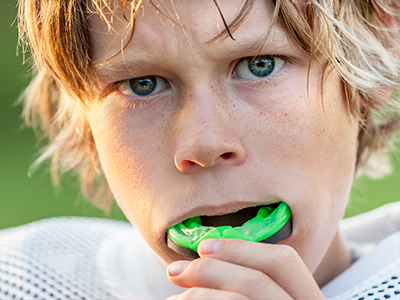
Sports are a wonderful way to build strength, teamwork, and confidence, but physical activity also brings the potential for dental and facial injuries. A single blow to the mouth can cause chipped or knocked-out teeth, cuts to the lips and cheeks, or even jaw fractures—injuries that can carry long-term consequences for oral health and daily life. Mouthguards are a simple, proven tool that significantly reduce those risks by absorbing and dispersing impact forces before they reach delicate dental structures.
Understanding the potential scope of harm helps families and coaches make smarter safety decisions. Younger athletes, in particular, may not yet have the reflexes to protect their faces during falls or collisions, and parents should consider mouthguard use part of standard athletic gear alongside helmets and pads. Even non-contact sports can present hazards from stray balls, equipment, or accidental collisions, so a mouthguard is often a practical precaution for a wide range of activities.
Wearing a properly fitted mouthguard not only protects teeth, it can also reduce the chance of soft-tissue injuries and support the stability of the jaw joint during impact. For athletes who already have dental restorations or orthodontic appliances, the right mouthguard provides additional cushioning and prevents damage to dental work. In that way, a mouthguard preserves both short-term safety and long-term oral health.
Mouthguards come in three general forms: ready-to-wear stock guards, boil-and-bite models, and custom-made devices from a dental office. Stock mouthguards are inexpensive and available off the shelf, but they often fit poorly and can interfere with breathing and speech. Boil-and-bite guards soften in hot water and adapt more closely to the wearer’s teeth, offering a middle ground in terms of comfort and protection.
Custom mouthguards are fabricated from precise impressions or digital scans of the athlete’s mouth and are tailored to the individual’s bite, tooth position, and any orthodontic hardware. Because they fit more securely, custom guards offer better retention and protection without compromising breathing or communication—factors that matter during competitive play. For athletes who demand consistent performance and maximal safety, custom devices are widely regarded as the superior option.
Each type has its place depending on the athlete’s age, level of competition, and specific needs. For casual participation or emergency replacement, a stock or boil-and-bite guard may be acceptable temporarily. For organized, contact-intensive sports—especially when athletes wear braces or have unique dental anatomy—a custom mouthguard provides a more reliable, comfortable solution that encourages consistent use.
The process for creating a custom mouthguard begins with an examination and an impression or intraoral scan of the teeth. These records capture the contours of the dental arches and the way the upper and lower teeth meet, allowing a dental laboratory to craft a device that conforms precisely to the athlete’s mouth. Materials are chosen for both shock absorption and durability, balancing protection with a slim profile for comfort.
A well-fitted mouthguard stays securely in place without excessive bulk, so athletes can breathe freely, speak clearly, and focus on performance. For players with braces or other dental appliances, a custom guard can be designed to protect both the hardware and soft tissues while accommodating ongoing orthodontic movement. The result is a tailored appliance that athletes are more likely to wear consistently because it feels natural and unobtrusive.
During the final fitting, the dentist confirms retention, coverage, and comfort, making small adjustments when needed. Proper care instructions are provided so the mouthguard continues to function effectively over time. Investing in a device that fits correctly reduces the risk of it being dislodged during play and maximizes the protective benefits when impacts occur.
Not all sports present the same level or type of risk, and mouthguard selection should reflect this variability. High-contact sports such as football, hockey, lacrosse, and martial arts typically demand maximum protection, while lower-contact activities might allow for a less bulky option. Position and play style also influence needs—players in collision-heavy positions benefit from thicker, more shock-absorbing designs, while those who need to communicate frequently may prefer sleeker options that still meet safety goals.
Age and growth are important considerations. Children and adolescents are steadily developing their jaws and dentition, so a mouthguard should allow for predictable growth or be replaced as needed to maintain proper fit. For athletes undergoing orthodontic treatment, there are mouthguards specifically designed to protect braces and soft tissues while accommodating shifting tooth positions. Coaches, parents, and dental professionals can work together to choose a solution that prioritizes both protection and comfort for every stage of development.
Comfort and compliance go hand in hand: athletes are far more likely to wear a mouthguard that lets them breathe, drink, and speak with minimal interference. When selecting a device, consider how it will affect performance and whether the athlete accepts it as part of their routine gear. A custom-fit guard often wins on both counts, providing the best balance of safety and practicality for serious players.
Proper care extends the life and effectiveness of any mouthguard. Rinse the appliance after each use, brush it gently with a soft toothbrush and nonabrasive toothpaste or mild soap, and store it in a ventilated case to prevent bacterial growth. Avoid exposing the mouthguard to high heat, which can warp its shape and reduce protective qualities. Regular inspection for tears, wear, or distortion is essential—any damage can compromise shock absorption and retention.
Replace a mouthguard if it shows signs of cracking, thinning, or poor fit. For growing athletes, periodic reassessment is necessary; what fit comfortably one season may be ineffective the next. Similarly, athletes who undergo dental work or orthodontic adjustments should consult the dental office about modifying or replacing the mouthguard to accommodate changes in tooth position and bite.
When in doubt about fit or performance, consult your dentist. A quick check can determine whether the appliance still offers the intended protection or needs to be adjusted or remade. Routine care combined with timely replacement ensures that the mouthguard remains a reliable layer of defense throughout an athletic career.
Protecting the mouth should be an integral part of any athlete’s safety plan. Mouthguards reduce the risk of dental and facial injury, protect restorative work and orthodontic appliances, and can preserve long-term oral health when properly selected and maintained. Choosing the right type—whether stock, boil-and-bite, or custom-made—depends on the athlete’s age, level of play, and specific needs, but fit and comfort are universally important for consistent use.
If you’d like guidance on which mouthguard is best for your athlete or need a custom-fit option, our team can help evaluate your situation and recommend an appropriate solution. Contact us for more information or to discuss mouthguard options tailored to your sport and goals.
RGV Smiles by Dr. Rocky L. Salinas, DDS, PA is committed to helping families protect smiles on and off the field. Reach out to learn how a properly fitted mouthguard can make a difference for the athletes in your life.


Athletes wear mouthguards to reduce the risk of dental and facial injuries during practices and competition. A properly fitted appliance absorbs and disperses impact forces that might otherwise chip, fracture, or dislodge teeth and damage soft tissues. Consistent mouthguard use also helps protect long-term oral health by preventing injuries that require extensive restorative care.
Beyond protecting teeth, mouthguards cushion the lips, cheeks, and tongue to lower the chance of cuts and bruising inside the mouth. They can also help stabilize the jaw during blunt impacts, which may reduce the risk of jaw fractures and concussion-related forces. For athletes with previous dental work or orthodontic appliances, a mouthguard acts as a protective layer that preserves existing treatments.
Mouthguards are available in three main forms: stock, boil-and-bite, and custom-made devices. Stock guards are ready to wear from a store but often fit poorly and can interfere with breathing or speech, while boil-and-bite models soften in hot water and can be molded at home for a better fit. Custom mouthguards are made from impressions or digital scans and are tailored to the athlete’s bite, offering superior comfort, retention, and protection.
The choice depends on the athlete’s age, level of play, and specific needs; stock and boil-and-bite guards can serve as temporary solutions, but they may not offer consistent protection for competitive or contact-heavy sports. Custom guards are designed to sit securely without excessive bulk, allowing athletes to breathe and communicate more easily. For players who demand both safety and performance, a custom option typically provides the best balance of function and comfort.
Custom mouthguards are often a valuable investment for youth athletes who participate in contact or collision sports because they provide a more precise fit and better protection than off-the-shelf options. A tailored guard reduces the likelihood of dislodgement during play and is less likely to interfere with breathing and speech, which improves compliance among younger players. The improved fit also offers targeted protection for developing teeth and dental restorations.
Children and adolescents experience growth and dental changes, so custom guards can be designed to accommodate expected development or to be remade as needed. For athletes undergoing orthodontic treatment, a custom appliance can be fabricated to protect braces and soft tissues while allowing for tooth movement. Parents and coaches should weigh the athlete’s sport, position, and level of competition when deciding whether a custom guard is the best choice.
The process for a custom mouthguard begins with a dental examination and an impression or intraoral scan to capture the exact contours of the teeth and bite. These records are used by a dental laboratory to fabricate a guard from materials chosen for shock absorption and durability, producing a thin but protective profile suited to the athlete’s mouth. The goal is a device that stays securely in place without adding unnecessary bulk, so the athlete can breathe and communicate normally.
At the final appointment the dentist checks retention, coverage, and comfort and makes small adjustments as needed to ensure an optimal fit. Care and wear instructions are provided so the mouthguard performs reliably over time, including guidance on daily cleaning and proper storage. Periodic reassessment is recommended after dental work or orthodontic changes to confirm continued fit and protection.
Yes, a properly designed mouthguard provides important protection for dental restorations, implants, crowns, and orthodontic appliances. By cushioning impacts, the guard lowers the risk of damage to restorative work and prevents brackets or wires from cutting soft tissues during collisions. This protective function helps preserve prior dental treatment and reduces the chance of emergency repairs after an injury.
For athletes with braces, a custom mouthguard can be adapted to create a barrier between hardware and soft tissues while accommodating tooth movement. Boil-and-bite guards may offer temporary protection, but custom options better account for the presence of orthodontic appliances and are less likely to be dislodged. Athletes should consult their dentist before relying on a mouthguard following recent dental procedures or during active orthodontic treatment.
Proper care extends the life and effectiveness of a mouthguard and helps prevent bacterial growth. Rinse the appliance under cool water after each use, brush it gently with a soft toothbrush and mild soap or nonabrasive toothpaste, and allow it to air dry before storing it in a ventilated case. Avoid exposing the guard to high temperatures such as direct sunlight, hot water, or car dashboards, which can warp its shape and reduce protection.
Periodically inspect the mouthguard for tears, thinning, or distortion and clean the storage case regularly to limit odor and contamination. If the guard becomes damaged, warped, or difficult to clean, stop using it and consult your dentist about repair or replacement. Following simple hygiene routines helps ensure the appliance remains safe and functional for each practice and game.
Replacement frequency depends on the type of guard, the athlete’s age, and how often the appliance is used, but regular inspection is key to determining when a replacement is needed. Look for visible signs of wear such as cracks, thinning areas, or loss of retention; any change that affects fit or shock absorption warrants replacement. Growing children may need new guards more frequently because changes in tooth position and jaw size can compromise fit over time.
Athletes should also replace a mouthguard after significant dental work or when orthodontic adjustments alter the bite. When in doubt about fit or integrity, schedule a quick dental check to confirm whether the appliance still offers reliable protection. Prompt replacement helps maintain consistent safety and reduces the risk of injury during play.
Mouthguard selection should reflect the sport’s contact level, the player’s position, and specific performance needs such as breathing and communication. High-contact sports like football, hockey, lacrosse, and martial arts typically require thicker, more shock-absorbing designs, while athletes in positions that demand frequent verbal communication may prefer a sleeker profile that still meets safety standards. Coaches, parents, and dental professionals can collaborate to match a guard’s features to on-field requirements.
Competitive or collision-prone positions generally benefit most from custom-made guards because of their superior fit and retention, which reduce the chance of displacement during play. For casual participation or as a temporary replacement, a boil-and-bite model may provide acceptable protection, but it should be replaced by a custom option if the athlete moves to a higher level of competition. The best guard is one the athlete will wear consistently while maintaining adequate protection and comfort.
Encouraging consistent mouthguard use starts with choosing a comfortable, well-fitting appliance and introducing it gradually during practice rather than waiting until games. Allow the child to practice breathing, speaking, and performing light drills while wearing the guard so they become accustomed to the feel and function. Positive reinforcement, role modeling by teammates, and explaining the protective benefits help create acceptance and routine.
Selecting a mouthguard with a slim profile and good retention reduces discomfort that can lead to removal during play, and regular checks to ensure a proper fit help avoid irritation. If the child experiences issues with fit or speech, consult the dental office for adjustments or an alternative design. Consistent education about safety and a focus on comfort make compliance far more likely.
To obtain a custom mouthguard, schedule a consultation at RGV Smiles by Dr. Rocky L. Salinas, DDS, PA where the dentist will evaluate the athlete’s dental health, bite, and any orthodontic considerations. The process typically includes an examination and an impression or intraoral scan to capture precise tooth and jaw relationships, which are then used to fabricate a guard tailored to the athlete’s needs. During the final visit the dentist checks fit, comfort, and retention and makes small adjustments so the appliance performs effectively.
The office will also provide instructions for daily care, storage, and inspection to preserve the mouthguard’s protective qualities over time. Athletes and families can discuss sport-specific requirements and any special accommodations needed for braces or restorative work. Regular follow-up is recommended after dental changes or as the athlete grows to ensure ongoing fit and protection.

Ready to take the next step toward a healthier, brighter smile?
Contacting RGV Smiles by Dr. Rocky L. Salinas, DDS, PA is the first step! Our supportive team is available to assist with all your needs, from booking routine care to discussing advanced cosmetic services. Simply call or use our online form to connect with us today. We make it easy to prioritize your oral health!

Back to top