New Patients
Existing Patients
New Patients
Existing Patients
New Patients
Existing Patients
New Patients
Existing Patients


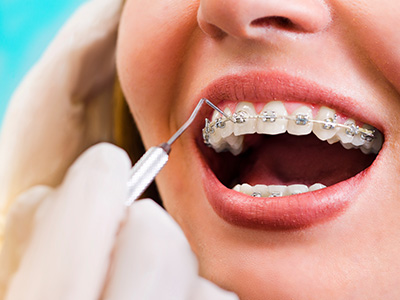
Traditional metal braces are the time-tested orthodontic system used to align teeth and correct bite issues. Comprised of small metal brackets bonded to the front of each tooth and connected by an archwire, this approach applies gentle, continuous force to guide teeth into their ideal positions. Modern brackets are made from high-grade stainless steel and are far smaller and more comfortable than earlier designs, making them a practical option for many patients.
Although the look of braces is familiar to most people, the way they work is precise: brackets act as anchors, and the archwire transmits controlled pressure. Over time, bone around the teeth remodels in response to that pressure, allowing teeth to move predictably. This predictable biology, combined with the mechanical versatility of metal appliances, is why traditional braces are still a mainstay of orthodontic care.
For patients and families considering orthodontic treatment, understanding the basic components and goals of metal braces helps set realistic expectations. Braces are not only about straightening visible teeth; they also address bite function, long-term tooth health, and the overall balance of the smile. With consistent care and professional oversight, metal braces can deliver reliable, lasting results.
The mechanics behind metal braces involve a coordinated system of brackets, archwires, and sometimes elastic components. Each bracket is bonded precisely on the tooth’s surface to guide movement in three dimensions. The archwire—shaped to the ideal dental alignment—exerts steady pressure that encourages teeth to shift along the bone in a controlled way.
Orthodontists adjust the system at regular visits by changing wires, tightening components, or adding elastics to refine direction and force. These adjustments are carefully calculated to move teeth at a safe rate that allows surrounding bone and tissue to adapt. Treatment planning typically sequences different wire types and forces to address rotation, tipping, spacing, and bite correction step by step.
Because metal braces offer direct control over tooth movement, they are particularly effective for complex cases such as significant crowding, large bite discrepancies, or teeth that need more precise rotation. Their durability and the variety of available hardware make them a flexible solution for many clinical scenarios.
Metal braces are a versatile treatment choice suitable for a wide range of patients—children, teens, and adults alike. They are often recommended when a predictable, comprehensive approach is needed to fix alignment and occlusion problems. Pediatric patients commonly begin treatment during growth periods when tooth and jaw changes can be guided efficiently, but adults can also see excellent outcomes when full orthodontic correction is required.
Because braces can address both cosmetic alignment and functional bite issues, they’re appropriate for patients whose goals include improved chewing, reduced wear on teeth, or correction of jaw relationships. Orthodontists evaluate each patient’s dental development, oral health, and treatment goals to determine whether metal braces are the best option or if alternatives should be considered.
Even when aesthetics are a concern, many patients choose metal braces for their proven track record and treatment control. Advances in bracket design and lower-profile components mean the treatment experience is more comfortable and less obtrusive than in the past, while still delivering dependable results for challenging cases.
Starting with a comprehensive evaluation, treatment with metal braces typically follows a planned sequence. After initial placement, patients return for periodic adjustments—often every 4–8 weeks—so the orthodontist can monitor progress and modify forces as needed. These appointments are important for staying on schedule and ensuring movements occur safely and effectively.
Oral hygiene requires additional attention while wearing braces. Brushing and flossing around brackets and wires prevents plaque buildup that could compromise both tooth health and treatment outcomes. Many patients find interdental brushes, specialized flossers, and routine professional cleanings helpful for maintaining a healthy mouth throughout the process.
Temporary sensations—such as mild soreness after adjustments or awareness of the hardware—are normal and usually manageable with over-the-counter pain relief and soft foods for a day or two. Protective wax can reduce irritation from brackets or wires, and the orthodontic team typically provides tips and tools to help patients stay comfortable and confident during treatment.
While several orthodontic options exist today, metal braces remain a leading choice because of their reliability and versatility. Their direct, mechanical approach gives clinicians precise control over tooth position and bite relationships, which is especially valuable in complex corrections. Brackets and wires have evolved to be smaller and smoother, improving comfort and reducing interference with daily activities.
Another practical advantage is the breadth of accessory options available for metal braces. Elastics, auxiliary springs, and other components can be added to tailor forces for specific movements. For patients who want to personalize their experience, colored bands offer a simple way to add individual style during treatment without affecting performance.
Finally, metal braces produce predictable outcomes when patients follow the care plan and attend scheduled visits. For many families and adult patients, that predictability—paired with professional oversight—makes metal braces a dependable route to a healthier, better-functioning smile. Our team at RGV Smiles by Dr. Rocky L. Salinas, DDS, PA works with each patient to choose the best orthodontic pathway and to support comfortable, effective treatment from start to finish.
In summary, traditional metal braces remain a practical and effective orthodontic solution for a wide range of alignment and bite issues. If you’d like to learn more about whether metal braces are the right choice for you or your child, please contact us for additional information and guidance.


Traditional metal braces are an orthodontic system that uses small metal brackets bonded to the front of the teeth and an archwire that connects them to produce controlled tooth movement. Modern brackets are made from high-grade stainless steel and are smaller and more comfortable than earlier designs while retaining exceptional durability. This system applies steady, gentle forces that prompt bone remodeling and predictable tooth repositioning over time.
Because they provide direct mechanical control, metal braces remain a reliable option for a wide variety of alignment and bite problems. The components can be customized with auxiliaries such as elastics, springs, and different wire types to address specific movements. For many patients and clinicians, that combination of predictability and versatility makes metal braces a practical long-term solution.
Brackets serve as attachment points and the archwire is shaped to the desired dental alignment, so when the wire is engaged it exerts continuous pressure to guide teeth along the bone. Bone and periodontal tissues remodel in response to that pressure, allowing teeth to shift gradually into their planned positions. Orthodontists refine movement by sequencing wires of different stiffness and adding elastics or other hardware to control direction and timing.
Adjustments are scheduled at regular intervals so forces can be modified safely and efficiently, which keeps the treatment on track. This staged approach—addressing tipping, rotation, spacing, and bite correction in sequence—helps ensure teeth move at a biologically appropriate rate. The hands-on control metal braces provide is particularly valuable for complex or multi-dimensional corrections.
Metal braces are appropriate for children, teens, and adults who need predictable correction of tooth alignment and bite relationships. Ideal candidates have good overall oral health, including healthy gums and no untreated decay, because these conditions support safe orthodontic movement. Orthodontists evaluate growth patterns, jaw relationships, and dental health to decide whether metal braces or another option is best.
Pediatric patients often benefit from treatment during active growth periods when jaw development can be guided more easily, but adults can achieve excellent outcomes with braces as well. When complex tooth movements or precise bite correction are primary goals, metal braces are frequently recommended for their control and versatility. Alternatives such as clear aligners may be discussed when aesthetics or removability are top priorities, but suitability depends on the specifics of each case.
Treatment length with metal braces varies by the complexity of the case, patient age, and how consistently the care plan is followed, with many treatments commonly ranging from about 12 to 24 months. Simpler alignment issues may be corrected more quickly, while comprehensive bite corrections and significant crowding can extend the timeline. The orthodontist provides an individualized estimate during treatment planning and adjusts expectations as progress is monitored.
Compliance with appointments, oral hygiene, and any prescribed elastics or appliances influences the pace of movement and final results. Regular adjustment visits allow the clinician to change wires and modify mechanics to keep progress steady and safe. Completing recommended retention after active treatment is also important for maintaining results over the long term.
The process begins with a comprehensive evaluation that may include digital scans, X-rays, and photographs to create a customized treatment plan and wire sequence. On the placement day the orthodontist bonds brackets to the teeth and places the initial archwire, which may cause a period of awareness or mild soreness as the mouth adapts. Each adjustment visit typically involves changing wires, tightening or activating components, and verifying that movement is progressing according to the plan.
Follow-up visits are usually scheduled every four to eight weeks so forces can be refined and any auxiliary appliances added as needed. Patients receive instructions on home care, managing soreness, and when to contact the office for issues such as loose brackets or protruding wires. At RGV Smiles by Dr. Rocky L. Salinas, DDS, PA the team guides patients through each step to promote comfort and predictable results.
Oral hygiene becomes especially important with braces because brackets and wires create additional places for plaque to accumulate, so brushing after meals and thorough daily flossing are essential. Use a soft-bristled brush and angle it to clean above and below brackets, and consider interdental brushes or floss threaders to remove debris around wires. Regular professional cleanings and checkups with your dental team help prevent decay and gum inflammation during treatment.
Maintaining a consistent hygiene routine supports efficient tooth movement and protects long-term oral health, which in turn preserves the investment of time in orthodontic care. If irritation from brackets or wires occurs, orthodontic wax and over-the-counter pain relief can help manage symptoms temporarily. Contact the orthodontic team promptly for persistent sores, loose hardware, or other concerns so they can be addressed quickly.
Avoiding hard, sticky, or overly chewy foods reduces the risk of broken brackets and bent wires; examples include hard candy, nuts, popcorn, chewy candies, and ice. Crunchy raw vegetables and whole apples can be enjoyed if cut into bite-size pieces, and soft alternatives are typically safer. Chewing on nonfood items such as pens, fingernails, or ice should also be avoided because these habits stress orthodontic hardware.
Following dietary guidelines helps minimize emergency visits and keeps treatment on schedule, while mindful eating protects both the braces and the teeth. For patients involved in contact sports, a properly fitted mouthguard is recommended to protect braces and oral tissues. Your orthodontist can provide specific recommendations tailored to your appliances and activity level.
Yes, metal braces are effective at correcting a range of malocclusions, including overbite, underbite, crossbite, open bite, and midline discrepancies, because they allow precise control of tooth position and interarch relationships. Elastics, springs, and other auxiliaries are commonly used with braces to modify jaw relationships and refine bite correction. The coordinated movement of upper and lower teeth under professional supervision addresses both cosmetic alignment and functional occlusion.
In some cases, braces are combined with additional appliances such as expanders or temporary anchorage devices to achieve skeletal or complex tooth movements. For severe skeletal discrepancies or when growth modification is required, orthodontic treatment may be coordinated with oral surgery or other specialties. A thorough diagnostic evaluation helps determine the most appropriate combination of treatments for a stable, functional outcome.
Braces can cause temporary changes in speech, such as a mild lisp or altered tongue placement while you adapt, but most patients adjust within a few days to a few weeks of placement. Practicing speech, reading aloud, and allowing a short adaptation period generally resolves these temporary effects. For musicians who play wind or brass instruments, minor adjustments in embouchure or mouth positioning are often needed briefly, and many players return to normal performance quickly.
Patients who play contact sports should use a custom or boil-and-bite mouthguard to protect both teeth and orthodontic hardware from impact. Informing coaches and music instructors about the braces helps them advise on temporary technique changes or protective measures. If concerns persist, the orthodontic team can suggest practical tips to ease adaptation and maintain participation in activities.
Select an orthodontic provider based on clinical experience, training, and the team’s ability to communicate a clear treatment plan and timeline. Look for a practice that uses modern diagnostic tools such as digital imaging and that explains the mechanics, expected outcomes, and follow-up care in plain terms. Accessibility for appointments, a supportive clinical team, and a focus on hygiene and patient education are also important factors in a successful treatment experience.
Ask about the provider’s experience with cases similar to yours and how they monitor progress and handle common issues such as loose brackets or discomfort. Visiting the office for an initial consultation can clarify whether the practice’s approach aligns with your expectations and lifestyle. The office of RGV Smiles by Dr. Rocky L. Salinas, DDS, PA offers comprehensive evaluations and personalized plans to help patients decide if metal braces are the right path for their smile goals.
Ready to take the next step toward a healthier, brighter smile?
Contacting RGV Smiles by Dr. Rocky L. Salinas, DDS, PA is the first step! Our supportive team is available to assist with all your needs, from booking routine care to discussing advanced cosmetic services. Simply call or use our online form to connect with us today. We make it easy to prioritize your oral health!

Back to top